
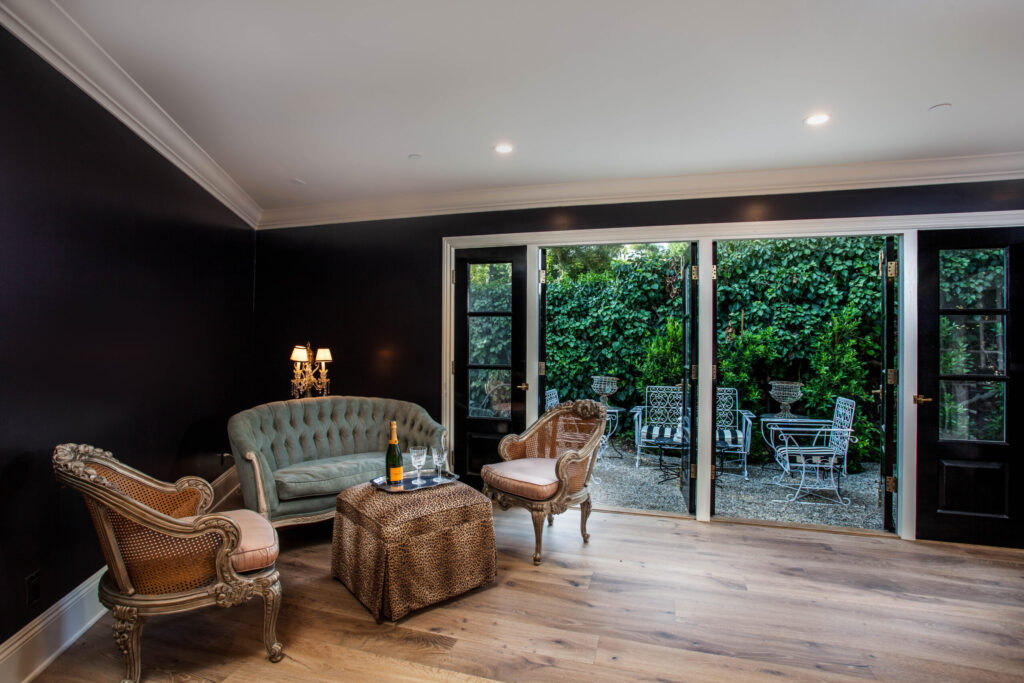
Vintage styles have been popular in interior design for many years and continue to be a sought-after look for homeowners. If you’re planning a remodeling project and want to incorporate vintage elements, there are many styles to choose from.
In this blog, we’ll explore some styles that are sure to add character and charm to your home.
Mid-Century Modern
A vintage style that originated in the 1950s and 60s. This style is characterized by clean lines, geometric shapes, and a minimalist approach to design. Mid-century modern furniture often features tapered legs, natural materials like wood and leather, and bold pops of color.
To incorporate it into your remodeling project, consider adding a statement piece like a retro-inspired sofa or a teak credenza. Choose furniture with clean lines and neutral colors, and add pops of bright color with accent pillows and art.
Art Deco
A style that emerged in the 1920s and 30s and is characterized by bold geometric patterns, streamlined forms, and a luxurious, glamorous feel. Art Deco furniture often features rich materials like marble, brass, and velvet, as well as bold colors like black, gold, and emerald green.
To incorporate it into your project, consider adding a statement piece like a mirrored accent table or a velvet armchair. Choose furniture with bold geometric shapes and patterns, and add glam touches with metallic accents and rich fabrics.
Industrial
Characterized by raw materials like exposed brick, concrete, and metal. Industrial furniture often features rustic elements like distressed wood and aged metal, as well as functional elements like casters and hooks.
To incorporate industrial style, consider adding a statement piece like a reclaimed wood dining table or a metal bookshelf. Choose furniture with raw, natural materials and add functional touches like hooks and baskets.
Victorian
A vintage style that emerged in the late 19th century, characterized by ornate details, intricate patterns, and a romantic, feminine feel. Victorian furniture often features curved lines, floral motifs, and rich materials like velvet and mahogany.
Consider adding a statement piece like a tufted velvet sofa or a carved wood bed frame. Choose furniture with ornate details and add romantic touches with floral patterns and lace accents.
Retro
The style emerged in the 1950s and 60s, characterized by bold colors, playful patterns, and a fun, kitschy feel. Retro furniture often features bright hues like turquoise and pink, as well as graphic patterns like polka dots and stripes.
To incorporate retro style into your remodeling project, consider adding a statement piece like a retro-inspired refrigerator or a bold, patterned wallpaper. Choose furniture with playful elements like bubble chairs and egg-shaped sofas, and add pops of bright color with accent pillows and art.
Vintage styles can add character and charm to any remodeling project. Whether you prefer mid-century modern, Art Deco, industrial, Victorian, or retro, there are many vintage styles to choose from. When incorporating vintage elements into your design, it’s important to strike a balance between old and new, so that the space feels fresh and modern, while still retaining the charm and character of vintage style.