Key Takeaways
- Strategic orientation is foundational: South-facing exposures deliver consistent, high-quality light with manageable heat gain; west-facing facades require robust shading and highest-performance glazing
- High-performance glazing is now mandatory: California’s Title 24 requires Low-E coatings with argon fill; standard double-pane windows no longer meet code
- Market value reflects daylighting quality: Optimal natural light combined with views and indoor-outdoor integration increases price premium by over 35%
- LA’s climate enables aggressive strategies: Year-round sunshine and mild temperatures permit extensive glazing, impossible in most major cities
- Future technologies enhance control: Electrochromic glass, photovoltaic windows, and AI-optimized systems will deliver unprecedented performance while meeting evolving energy codes
Daylighting shapes the aesthetic quality, energy efficiency, and occupant comfort of modern Los Angeles homes. In a region blessed with abundant sunshine year-round, the architectural challenge shifts from simply admitting light to controlling and modulating it effectively.
This guide explores the technical strategies, market impacts, and design principles that make natural light the defining feature of LA’s most successful custom residences.
What Is The Role Of Natural Light In Architecture?
Natural light is a powerful design tool that simultaneously reduces energy consumption and enhances spatial quality. In Los Angeles, where sunlight is abundant, architects must balance daylighting benefits with thermal performance concerns.
Effective daylighting strategies custom homes reduce artificial lighting loads while influencing a building’s thermal behavior. Strategic orientation, glazing ratios, and shading systems control how light enters and moves through interior spaces. The goal is high-quality daylight without excessive heat gain or glare, a balance critical to California’s Title 24 energy code compliance and essential for any custom home builder LA.
How Is Natural Light Integrated Into Modern Los Angeles Custom Architecture?
Modern LA architecture employs multiple complementary strategies to maximize natural light while maintaining thermal comfort. These techniques range from passive design elements to advanced responsive technologies that experienced general contractors implement throughout the construction process.
Core daylighting strategies include:
- Skylights: Deliver balanced, diffuse light deep into interior spaces
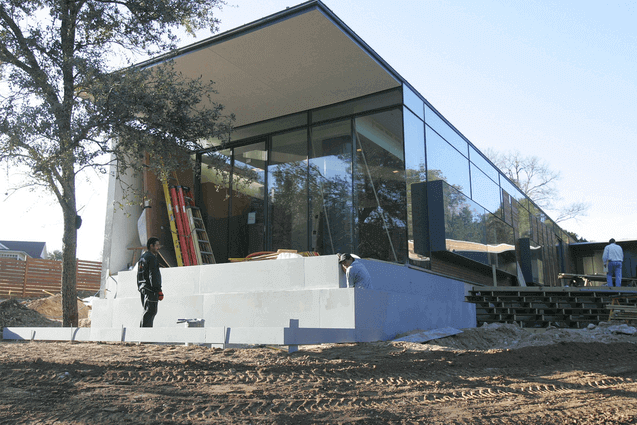
- Floor-to-ceiling glass: Multi-slide or pocket door systems that create seamless indoor-outdoor transitions
- Clerestory windows: High-mounted glazing that illuminates interiors while maintaining privacy
- Light wells: Vertical channels drawing daylight to lower levels and dense urban sites
- Open floor plans: Facilitate light distribution across connected spaces
The combination of skylights clerestory windows LA represents a proven approach to bringing natural light deep into home interiors without compromising privacy or creating excessive heat gain.
Advanced materials and technologies:
- High-performance glazing: Low-E coatings with argon gas fill (now standard under Title 24)
- Electrochromic glass: Dynamic tinting responds to solar conditions
- Smart glass: Programmable transparency control
- Photovoltaic windows: Dual-function energy generation and daylighting
- Light-diffusing films: Reduce glare while maintaining brightness
Energy efficient glazing Los Angeles has evolved beyond basic double-pane windows. California’s Title 24 energy code now requires high-performance glazing with low U-Factor (thermal insulation) and controlled SHGC (solar heat gain coefficient) to meet current standards.
What Challenges Does The Use Of Natural Light Pose In Urban Settings Like Los Angeles?
Urban density and orientation create specific daylighting challenges that require targeted design responses. Los Angeles’s varied urban fabric, from low-rise neighborhoods to high-rise corridors, demands different solutions, which quality control systems help ensure are properly implemented.
| Urban Density Type | Effect on Natural Light | LA-Specific Solution |
| Low-rise | Good access, minimal shadowing | Standard glazing strategies effective |
| Mid-rise | Moderate access, adjacent building shadows | Strategic courtyards and light wells |
| High-rise | Limited lower-level access, significant shadowing | Enclosed patios providing light and ventilation |
Critical challenges to address:
- Glare: East and west orientations suffer intense, low-angle sun causing screen and surface glare
- Heat gain: West-facing facades present the most challenging thermal conditions; requires robust shading and high-performance glazing
- Material degradation: UV exposure fades furniture and flooring
- Circadian disruption: Inconsistent light levels affect occupant well-being
- Acoustic concerns: Large glass openings in urban areas must achieve acceptable outdoor noise levels (65 dBA or less)
Effective shading systems, deep overhangs, louvers, automated blinds, are essential for east and west facades. South-facing orientations offer the most consistent, high-quality light with manageable heat gain.
How Does Natural Light Contribute To Sustainability In Los Angeles Architecture?
Strategic daylighting reduces energy consumption while earning LEED certification credits. Natural light addresses multiple sustainability goals simultaneously, making it a priority consideration in architectural services for custom homes.
Energy reduction mechanisms:
- Reduces artificial lighting loads throughout daylight hours
- Provides passive solar heating in winter (particularly south-facing orientations)
- Decreases HVAC demand through strategic daylight penetration
- Meets Title 24 requirements through high-performance glazing (Low-E coatings, argon fill)
LEED contributions:
| LEED Category | Natural Light Contribution |
| Energy & Atmosphere | Reduces lighting loads; passive solar heating (winter) and heat gain control (summer) |
| Indoor Environmental Quality | Daylighting credits: improved occupant comfort through balanced, diffuse light from clerestories and skylights |
| Innovation | Advanced systems (electrochromic glass, photovoltaic windows) demonstrate sustainable design leadership |
Thermal performance is measured through U-Factor (insulation) and SHGC (solar heat gain). High-performance glazing optimizes these metrics, delivering both comfort and code compliance.
What Are The Aesthetic Benefits Of Incorporating Natural Light Into Custom Los Angeles Architecture?
Natural light defines the visual character of Los Angeles architecture, creating seamless indoor-outdoor experiences rooted in Mid-Century Modern principles. This design legacy transforms how homes relate to their landscapes, a hallmark of natural light modern home Los Angeles.
Light integration extends beyond function to sculptural expression. Unified material palettes flowing from interior to exterior create visual continuity, large-format stone or wood decking transitions without interruption through flush thresholds. Light wells become dramatic vertical channels with architectural presence. Thoughtfully designed outdoor “rooms” with kitchens, fireplaces, and integrated seating transform landscapes into functional living extensions.
This seamless transition between indoors and outdoors embodies the quintessential LA lifestyle, spaces bathed in abundant natural light while maintaining a deep connection to the surrounding environment.
What Design Strategies Are Employed To Maximize Natural Light In Los Angeles Custom Homes?
Effective daylighting requires integrated strategies addressing orientation, shading, and glazing performance to maximize comfort while controlling heat and glare. Strategic orientation is the foundation; all subsequent decisions build from this critical first step.
Core daylighting techniques:
- Skylights: Balanced, diffuse light deep into interiors
- Floor-to-ceiling windows: Maximize views and daylight through operable glass wall systems
- Clerestory windows: High windows providing privacy with even light distribution
- Light wells/atriums: Vertical daylight channels for lower levels and dense sites
- Courtyards: Dual-function private spaces and light sources
- Open-plan layouts: Unrestricted light flow through connected spaces
Heat and glare control strategies:
- Strategic glazing ratios: Window-to-wall ratios calibrated for thermal performance
- Deep roof overhangs: Block summer sun, allow winter sun (south orientations)
- Louvers: Adjustable shading for dynamic control
- Automated blinds: Essential for challenging west-facing facades
- Vertical shading elements: Fins and vegetation for east/west low-angle sun
- Deciduous trees: Seasonal shading permits winter sun penetration
| Orientation | Daylight Characteristics | Heat Gain Risk | Best Design Strategy | Ideal Spaces |
| South | High-angle summer sun, low-angle winter; consistent high-quality light | Manageable | Horizontal shading (overhangs) blocking summer sun while allowing winter passive heating | Primary living spaces |
| North | Diffuse, indirect light throughout day | Minimal | Balance with warm finishes; excellent glare control | Studios, offices requiring consistent light |
| East | Intense, low-angle morning sun | Moderate to High | Vertical shading (fins, vegetation) + high-performance glazing | Kitchens, breakfast areas |
| West | Intense, low-angle afternoon sun | Highest (most challenging) | Robust shading: deep overhangs, automated blinds, deciduous trees, highest-performance glazing | Minimize west-facing glazing when possible |
LA-specific considerations: LA’s diverse microclimates, from cool, moist coastal air to hot, dry inland valleys, demand tailored responses. Designs must account for prevailing west-southwest winds, enabling natural ventilation while mitigating seasonal Santa Ana winds through windbreaks, screens, and layered landscaping. Effective shading systems are essential for managing heat gain and glare, particularly on east and west facades where low-angle sun creates the most challenging conditions.
How Does Natural Light In Los Angeles Architecture Compare To Other Urban Areas?
Los Angeles’s year-round sunshine and mild climate enable aggressive glazing strategies impossible in most other major cities. This geographic advantage fundamentally shapes LA’s architectural character.
LA’s unique advantages:
- Abundant sunshine: Consistent year-round availability with low cloud cover
- Favorable climate: Mild temperatures permit extensive glazing without extreme thermal penalties
- Diverse microclimates: From coastal to inland valleys, each requiring tailored strategies
- Natural ventilation potential: Prevailing west-southwest winds enable passive cooling
- Seasonal considerations: Santa Ana winds and seismic requirements influence structural approach
| City | Common Daylighting Strategies | Primary Challenges | Climate Advantage |
| Los Angeles | Floor-to-ceiling glass, operable walls, courtyards, clerestory windows, cantilevered hillside designs | West facade heat gain, glare control, VHFHSZ fire codes, BHO hillside regulations | Year-round sunshine, mild climate, diverse microclimates |
| New York | Light wells, reflective surfaces, strategic window placement | High density shadowing, harsh winters | Limited compared to LA |
| London | Maximized window area, light-colored interiors, skylights | Frequent cloud cover, limited sun angles, preservation codes | Significantly less than LA |
| Tokyo | Compact courtyards, vertical light shafts, innovative glazing | Extreme density, limited lots, earthquake requirements | Moderate; humid summers |
LA’s climate permits design strategies that would fail elsewhere. Operable glass wall systems and extensive outdoor living spaces leverage conditions unavailable to northern cities. However, this advantage demands sophisticated heat gain control, particularly on west facades, and compliance with stringent fire codes in Very High Fire Hazard Severity Zones (VHFHSZ) and hillside regulations under the Baseline Hillside Ordinance (BHO).
What Are Notable Examples Of Los Angeles Homes That Utilize Natural Light?
Los Angeles’s architectural legacy demonstrates how strategic daylighting creates iconic residences. Both historic and contemporary examples showcase natural light as the primary design driver.
Iconic projects:
- Hopen Place (Whipple Russell Architects): Floating glass walls and cantilevered design optimize panoramic Hollywood Hills views; split-level layout maximizes sightlines while adhering to BHO constraints
- Los Tilos (Whipple Russell Architects): Terraced Hollywood Hills home with expansive glass walls creating seamless indoor-outdoor transitions
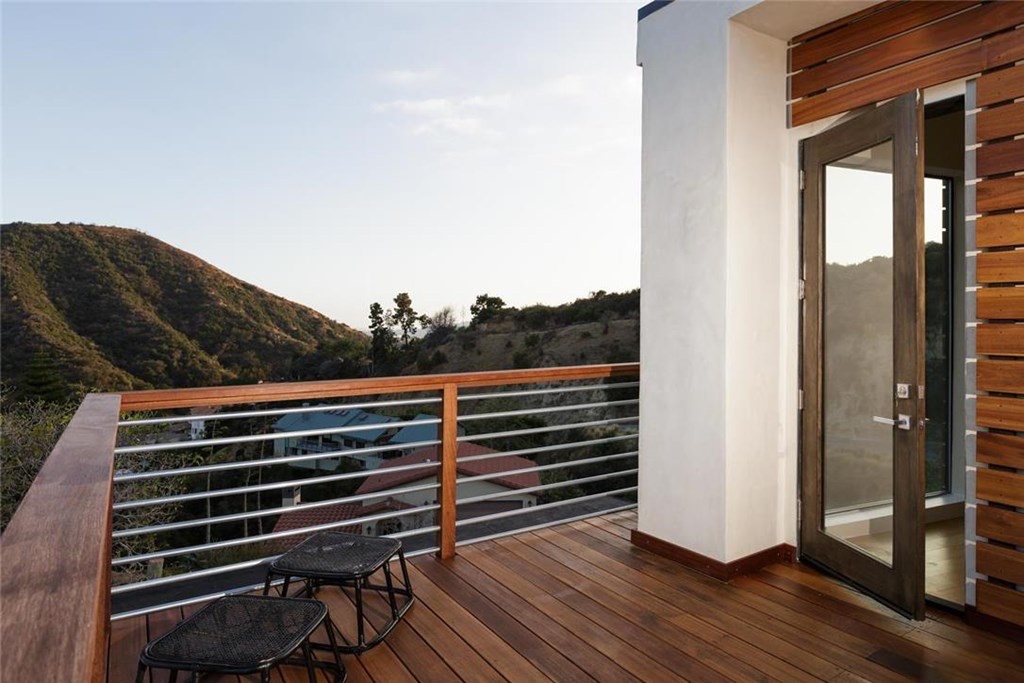
- Malibu Coastal Residence: Floor-to-ceiling glass and expansive decks; durable materials (concrete, Ipe wood, marine-grade stainless steel) resist salt spray and coastal erosion
- Venice Beach Courtyard Home: Central courtyard surrounded by glass walls creates a private, light-filled oasis, maintaining neighbor privacy
- Stahl House (Pierre Koenig): Case Study House #22; minimalist steel frame with glass walls dramatically sited on hillside
- Eames House (Charles & Ray Eames): Case Study House #8; modular design with controlled daylight and colorful panels
- Case Study Houses Program: Mid-Century Modern experiments demonstrating innovative window use for maximum light penetration
Leading architects and approaches:
| Architect/Firm | Notable Work | Natural Light Integration |
| Whipple Russell Architects | Hopen Place, Los Tilos | Floating glass walls, cantilevered structures, strategic clerestory windows, maximized glazing for panoramic views |
| Richard Neutra | Case Study Houses, Desert homes | Floor-to-ceiling glass, landscape integration, ribbon windows |
| Pierre Koenig | Stahl House | Minimalist steel frame with glass walls, dramatic hillside siting |
| Charles & Ray Eames | Eames House | Modular design with controlled daylight, colorful panels |
These projects established principles that continue shaping contemporary LA architecture, extensive glazing, landscape integration, and strategic orientation, optimizing natural light.
What Are The Future Trends For Natural Light In Los Angeles Custom Architecture?
Emerging technologies will enable unprecedented control over natural light while improving energy performance and occupant comfort. The future balances increased glazing sophistication with evolving code requirements.
Next-generation systems:
- Automated shading systems: Dynamic response to sun position and intensity (already being implemented)
- Electrochromic glass: Solar-responsive glazing adjusting tint based on real-time conditions
- Photovoltaic windows: Dual-function glazing generating electricity while managing light transmission
- Building-integrated photovoltaics (BIPV): Solar technology seamlessly integrated into the building envelope
- Advanced Low-E coatings: Next-generation thermal control delivering superior U-Factor and SHGC performance
- Triple-pane high-performance glazing: Enhanced thermal performance and acoustic comfort (increasing adoption)
- Daylight-integrated smart homes: Automated systems coordinating natural and artificial lighting
- AI-optimized daylighting: Machine learning predicting and responding to light conditions before occupant discomfort occurs
Critical considerations:
Future designs must balance increasing glazing performance with Very High Fire Hazard Severity Zones (VHFHSZ) requirements mandating noncombustible and ignition-resistant materials. California’s evolving Title 24 energy code will continue driving innovation in thermal performance while maintaining natural light quality.
The trajectory points toward glass that simultaneously generates power, responds dynamically to conditions, and achieves thermal performance once impossible with static systems.
Harnessing Natural Light In Los Angeles Architecture: Key Principles And Future Trends
Successful LA architecture blends lifestyle, precision, and environmental awareness. Mastering natural light creates beautiful, comfortable homes with lasting value. Panoramic views, seamless indoor-outdoor spaces, and optimal light can boost a home’s price by over 35% and reduce market time.
The best projects turn site challenges into design opportunities, transforming a hillside into a cantilevered masterpiece or a narrow lot into a private oasis. Effective natural light control, through strategic orientation, high-performance glazing, and shading, is crucial in managing LA’s intense sunlight, especially on west-facing exposures.
As LA architecture evolves, emerging technologies like electrochromic glass and AI-optimized systems will refine the balance between openness, comfort, and energy efficiency, while core principles like southern orientations and deep overhangs remain vital.
Ready to design your custom LA home with optimal natural light? Contact our team to discuss how strategic daylighting can transform your project.