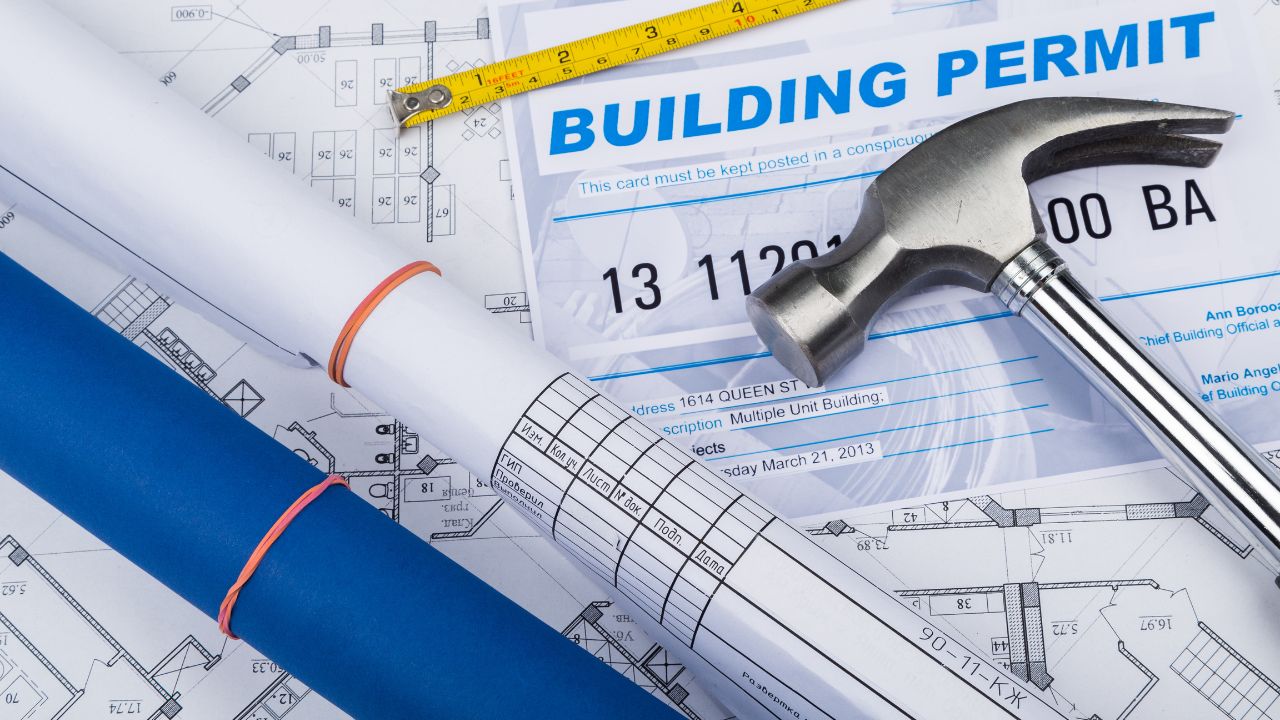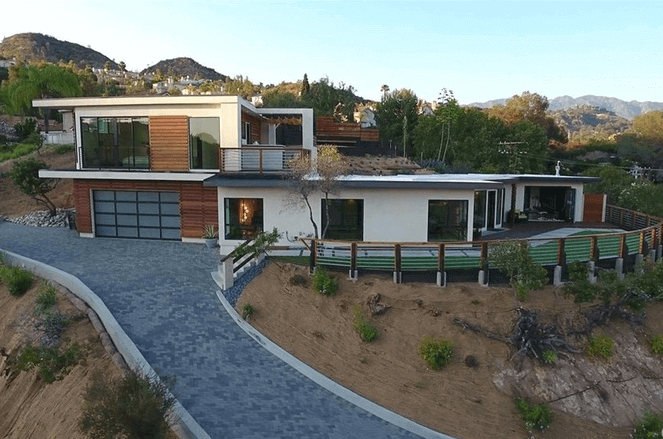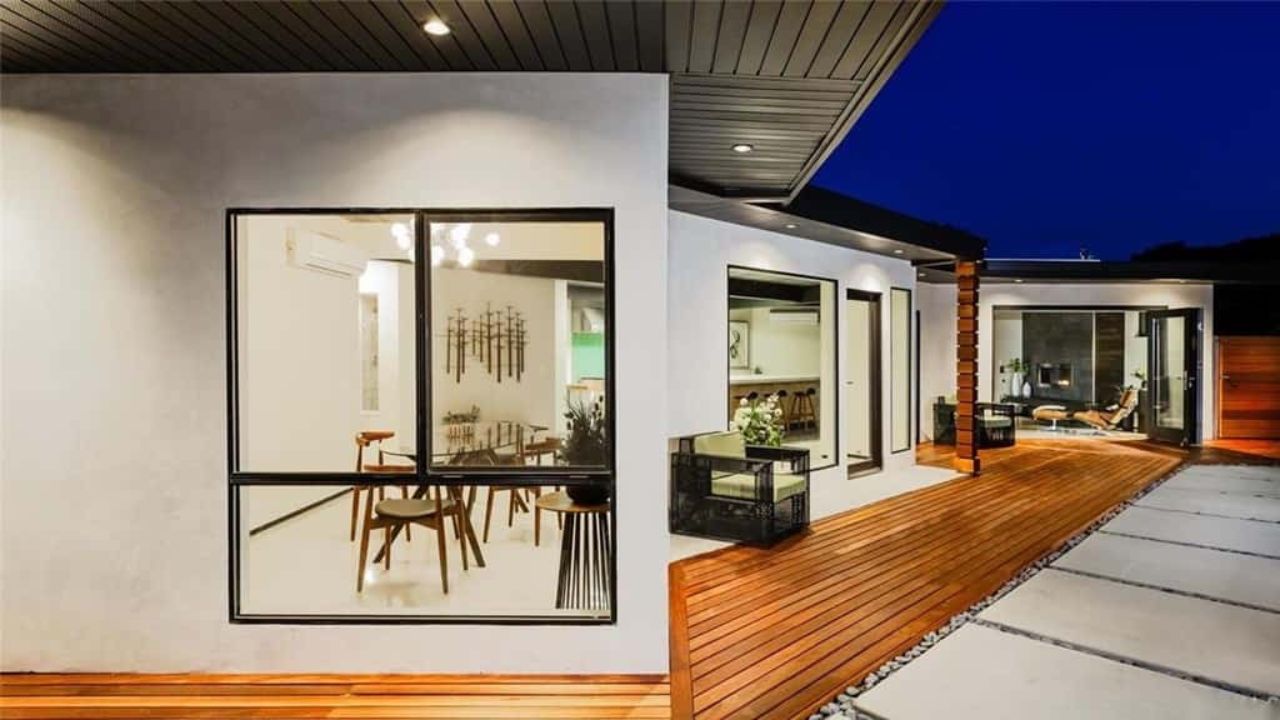
Building a custom home in Los Angeles requires multiple permits from LADBS. This guide covers permit types, costs, timelines, and zoning requirements to keep your project on track.
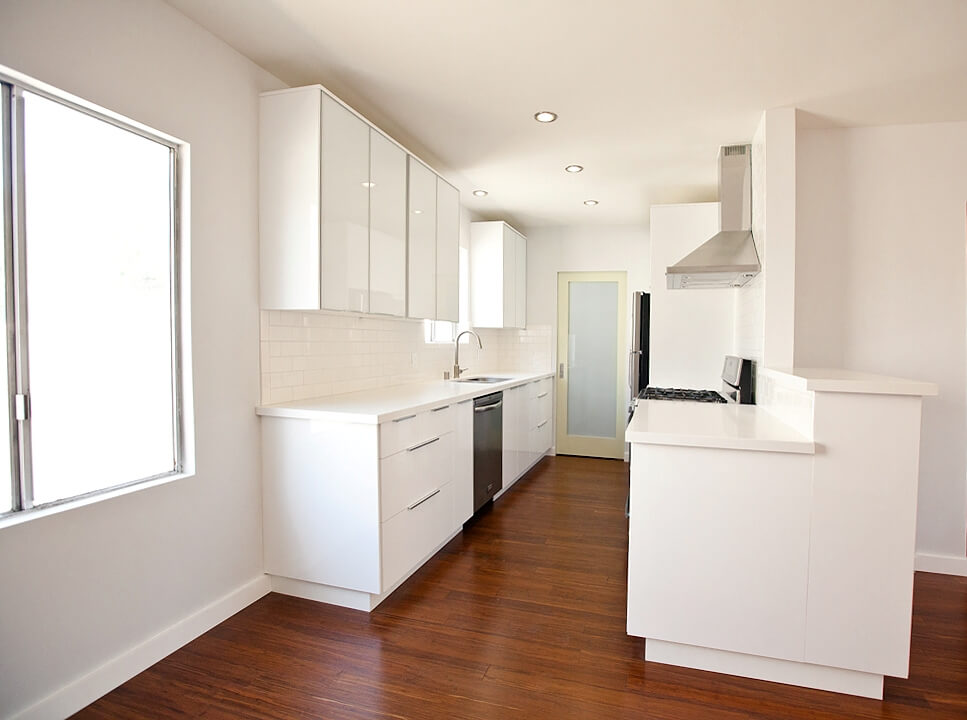
Open-Concept Kitchen Renovations: Transforming LA’s Traditional Layouts
Key Takeaways
- Structural engineering is non-negotiable: Load-bearing walls require engineered beams, seismic retrofitting, and permits. Allocate 10–15% contingency for hidden conditions.
- Open plans demand upgraded MEP systems: HVAC rebalancing, 400+ CFM hoods with make-up air, and island electrical all require careful coordination.
- Invest where it counts: Cabinets and countertops (30–40% of budget) drive ROI and define kitchen quality for decades.
- Permits take 3–4 weeks minimum: Submit complete plans with structural, electrical, plumbing, and energy compliance.
- Unified design-build accountability prevents chaos: A Single project manager eliminates delays and ensures code compliance.
Los Angeles homes, from Craftsman bungalows to Spanish Revivals to mid-century ranches, were built with compartmentalized kitchens that no longer match how residents live today. Open concept kitchen LA designs remove walls to unite cooking, dining, and living spaces, creating flow that supports hybrid work, frequent entertaining, and indoor-outdoor connectivity while respecting each architectural style’s heritage.
This guide unpacks every decision point, from identifying load-bearing walls and engineering beams to sizing range hoods and staging inspections across 4–6 month timelines. Whether opening a 1920s bungalow in Glendale or modernizing a mid-century ranch in Silver Lake, the principles remain consistent: respect structure, plan meticulously, permit properly, and prioritize ROI-driving elements.
What Does “Open-Concept” Mean In The Context Of LA’s Bungalows, Spanish Revivals, And Mid-Century Homes?
An open concept kitchen LA design removes interior walls between the kitchen, dining, and living areas to create a unified space with continuous sight lines. In LA’s historic homes, this means thoughtfully opening load-bearing walls while integrating original features, arched openings, exposed beams, and built-ins into the new layout to preserve architectural character while gaining light and flow.
Legacy Layouts vs. Open-Plan Solutions
| Original Type | Common Issue | Open Solution | Notes for LA Styles |
| Craftsman Bungalow | Small, dark kitchen separated by a wall | Remove wall; maintain column/beam | Preserve built-ins, wainscoting, and ceiling beams |
| Spanish Revival | Kitchen isolated; arched doorways | Widen arched opening with matching profile | Maintain plaster archways, tile details |
| Mid-Century Ranch | Galley with pass-through | Full wall removal; island replaces wall | Retain clerestory windows, post-and-beam framework |
| Traditional Two-Story | Kitchen is closed off from the family room | Remove the wall; integrate dining as an open zone | Create a cohesive material palette |
Why Do LA Homeowners Open Up Kitchens?
Load-bearing wall removal LA projects unlock three core benefits: increased property value in LA’s competitive market, spatial adaptation for hybrid work arrangements, and entertainment-focused layouts aligned with California’s indoor-outdoor lifestyle. These kitchen remodeling trends reflect how modern families actually live and work from home.
Key Benefits:
- Natural light penetration from adjacent windows
- Improved traffic flow for multiple cooks
- Seamless entertaining while cooking
- Indoor-outdoor continuity to patios and decks
- Remote work flexibility with island workstations
- Enhanced resale competitiveness
Trade-Offs to Manage:
- Noise: Sound-dampening insulation, rugs, soft furnishings
- Clutter visibility: Appliance garages, sculleries, hidden storage
- Cooking odors: High-CFM hoods (400+), operable windows
- Zoning: Define spaces with lighting, furniture, and flooring transitions
How Much Does An Open-Concept Kitchen Cost In Los Angeles In 2025?
Open-concept renovations range from $30,000 to $100,000, with most projects between $50,000 and $75,000. Structural work adds $10,000–$30,000. Coastal neighborhoods command 15–25% premiums.
Budget Breakdown:
- Budget tier: $24,500–$37,500 ($80–$150/sq ft)
- Mid-grade: $37,500–$76,000 ($150–$250/sq ft)
- High-end: $76,000+ ($250–$300+/sq ft)
Major Cost Drivers:
- Structural engineering: $2,000–$5,000
- Wall removal + beam: $8,000–$25,000
- Seismic retrofitting: $5,000–$15,000
- Cabinetry (30–40% of budget): $15,000–$45,000
- Countertops: $4,000–$15,000
Neighborhood Variations:
- Glendale: $35,000–$120,000
- Pasadena: $32,000–$115,000
- Santa Monica: $40,000–$130,000
Do You Need Permits In Los Angeles?
Yes. Any wall removal requires LADBS building permits. Plan check takes 3–4 weeks; inspections occur at framing, rough utilities, and final stages. Seismic upgrades add 2–4 weeks and $5,000–$15,000. Skipping permits risks red tags, fines, and title complications.
Required Permits:
- Building/Structural: Wall removal, beam installation, seismic retrofit
- Electrical: New circuits, panel upgrades, island outlets
- Plumbing: Sink relocation, gas lines, dishwasher connections
- Mechanical: HVAC ductwork modifications
- Energy (Title 24): Lighting, insulation, HVAC compliance
Special LA Jurisdictions:
- HPOZ: Board review for exterior changes
- Coastal Zone: May need Coastal Development Permit
- Hillside: Grading plans if foundation work is involved
- Fire Hazard Zone: Fire-rated materials for exterior work
Which Walls Are Load-Bearing, And How Does Seismic Design Affect The Plan?
Most exterior walls and center-spine walls perpendicular to floor joists carry loads in pre-1980 LA homes. Load-bearing wall removal LA requires engineered beams, posts, and seismic tie-down systems. Allocate 10–15% contingency for hidden conditions that emerge during demolition.
Pre-Demo Verification:
- Hire a licensed structural engineer
- Review original plans if available
- Open exploratory holes in walls
- Trace loads above (second floor, roof)
- Map existing lateral system (shear walls)
- Check the foundation condition
- Test for lead paint and asbestos
Structural Solutions:
| Solution | Typical Spans | Visual Impact | Cost Tier |
| Flush Beam + Posts | 12–20 ft (LVL); 20–30 ft (steel) | Posts visible; flat ceiling | |
| Exposed Beam + Posts | 12–25 ft (glulam); 20–35 ft (steel) | Bold architectural element | |
| Steel Moment Frame | 25–40 ft clear span | Minimal intrusion | $$$$ |
| Portal Frame | 8–12 ft opening | Thicker posts; semi-open | $$ |
Seismic Safeguards:
- Retain or add shear walls (20–40 ft apart)
- Install drag struts at shear wall tops
- Add hold-downs and anchor bolts at wall ends
- Follow proper nailing schedules (2–3″ on-center)
- Brace cripple walls in crawl spaces
- Anchor sill plates to the foundation
How Should You Plan An Open Kitchen That Works Day-To-Day?
Effective kitchen layout Los Angeles designs balance the classic work triangle, sink, stove, refrigerator, forming 4–9 ft legs, with modern work zones. For detailed guidance, explore kitchen layout ideas that work best for Los Angeles homes.
Layout Options:
- Classic Triangle: Single cook; compact; 4–6 ft legs between appliances
- Zone Layout: Multiple cooks; 300+ sq ft; separate prep/cook/cleanup zones
- Double Island: Hybrid work; 400+ sq ft; one for prep, one for dining/laptop
- Galley + Island: Efficient; 200–300 sq ft; tight triangle with island storage
Traffic Flow Rules:
- 42″ minimum clearances between island and perimeter
- 48″ for wheelchair access or two cooks
- Route traffic around (not through) the work triangle
- 15″ landing space next to fridge handle side
- 12–18″ on both sides of the cooktop
Visual Zoning Without Walls:
- Ceiling height changes or coffered details
- Flooring transitions or direction changes
- Lighting shifts (task in kitchen, ambient in living)
- Island positioned as a psychological boundary
- Furniture placement (sofa back to kitchen)
How Do You Handle Mechanicals When Walls Come Down?
Range hoods require clear duct paths and may trigger make-up air requirements at 400+ CFM. Plumbing and gas lines reroute through floors; electrical demands multiply with islands, lighting, and smart controls.
Range Hood Options:
- Wall-mount chimney: 300–1200 CFM; straight exterior run
- Ceiling-mount island: 400–1200 CFM; vertical to roof
- Under-cabinet: 200–600 CFM; simplest install
- Downdraft: 300–600 CFM; complex in slab-on-grade
Plumbing Considerations:
- Island sinks need proper venting (loop vent or AAV)
- Gas line extensions require a licensed plumber
- Drain rerouting costs $1,500–$4,000
- Floor penetrations are expensive in slab
Electrical Must-Haves:
- Two dedicated 20A small-appliance circuits
- GFCI outlets within 6 ft of sink
- AFCI breakers on all 15/20A circuits
- Island outlets every 4 ft
- Smart dimmers for scene programming
- Separate circuits for under-cabinet lighting
How Do You Keep An Open Kitchen Comfortable?
Sound, odor, and clutter travel freely, requiring acoustic dampening, high-performance ventilation (400+ CFM hoods with make-up air), and low-VOC finishes.
Acoustic Strategies:
- Sound-dampening insulation (QuietRock, Roxul)
- Soft furnishings (rugs, upholstery, curtains)
- Quiet appliances (<45 dB dishwashers, <6 sones hoods)
- Rubber/cork underlayment under hard flooring
- Enclosed pantry for noisy appliances
Air Quality Controls:
- Properly sized range hoods (70–90% capture)
- Make-up air systems for 400+ CFM hoods
- Operable windows for cross-ventilation
- Low-VOC/zero-VOC paints and finishes
- CARB2 formaldehyde-free cabinetry
- Air purifiers with HEPA and carbon filters
Which Finishes Suit LA’s Climate?
Southern California’s dry heat, UV exposure, and indoor-outdoor lifestyle demand fade-resistant, durable materials that transition seamlessly to patios. For style guidance, see modern vs. traditional kitchen styles.
Top Materials:
- Quartz counters: Low maintenance, UV-resistant, consistent patterns
- Natural stone: Heat-proof, UV-stable, unique character (seal annually)
- Matte black/brushed gold fixtures: Warm, sophisticated, trending
- Wood cabinets (oak, walnut): Natural texture, favored for warmth
- Porcelain tile: Indoor-outdoor continuity, UV-proof, durable
- Engineered hardwood flooring: Stable, radiant-compatible
Color Palettes By Style:
- Spanish Revival: Clay, terracotta, deep blues, golden yellows; terracotta tile, wrought-iron
- Craftsman: Taupe, sage, moss green, rich browns; oak, Arts & Crafts tile
- Mid-Century: Mustard, burnt orange accents, walnut, black; clean lines, minimal hardware
- Contemporary: Soft whites, warm grays, muted sand, natural wood; mixed materials
How Do You Maximize Storage After Removing Walls?
Storage Strategies:
- Oversized islands with deep drawers and toe-kick storage
- Floor-to-ceiling perimeter cabinets (no soffits)
- Walk-in pantries (4 × 6 ft minimum)
- Sculleries/dirty kitchens (6 × 8 ft; second sink, bulk storage)
- Appliance garages with tambour doors
- Pull-out pantry towers (12–18″ wide)
- Corner solutions (lazy Susans, LeMans pull-outs)
- Breakfast nooks with banquette storage
Built-Ins:
- Strategic open shelving (1–2 runs for dishes/cookbooks)
- Recessed niches between studs
- Bookshelves flanking openings
- Under-stair storage
- Vertical dividers for baking sheets
- Integrated wine storage
What LA-Specific Constraints Should You Check?
Condo/HOA Rules:
- Review CC&Rs for structural alteration prohibitions
- Submit plans to the architectural committee
- Verify construction hours (typically 8 AM–6 PM weekdays)
- Reserve the service elevator for deliveries
- Confirm contractor insurance requirements ($2M+ liability)
Small-Lot/ADU Considerations: When combining kitchen remodels with ADUs or additions, use a design-build kitchen LA approach with single contractor coordination for unified timelines and shared utility trenching. Many homeowners incorporate open kitchens into larger projects, including room additions and full home remodeling for comprehensive updates.
How Does An Open Kitchen Change Energy Use?
Removing walls expands conditioned volume 30–50%, requiring HVAC rebalancing or mini-splits. Open plans lose zone control but allow passive strategies.
HVAC Solutions:
- Mini-split supplement (12,000–18,000 BTU; $3,000–$6,000)
- Relocate the return air near kitchen ceiling
- Duct sealing and R-8 insulation
- Programmable smart thermostats (save 10–20%)
- Ceiling fans (52″+; allows 3–4°F higher setpoint)
Passive Strategies:
- Cross-ventilation through operable windows
- Operable skylights to vent ceiling heat
- Strategic exterior shading (overhangs, deciduous trees)
- Cool-roof coatings (reduce attic temp 20–40°F)
- Radiant barriers in attic
- Window film on west exposures
Smart Technology:
- Touchless faucets (reduce water 20–30%)
- Wi-Fi ovens for remote monitoring
- Voice-controlled lighting
- ENERGY STAR appliances (California rebates available)
- Induction cooktops (85–90% efficient)
Will An Open Kitchen Help Resale In Los Angeles?
Yes. Open kitchens meet baseline buyer expectations. Midrange remodels return 70–80%; upscale 50–60%. Neutral designs, quality cabinets (30–40% of budget), Energy Star appliances, and smart features maximize appeal.
Buyer Expectations by Price:
- $800K–$1.5M: Quartz counters, stainless appliances, neutral palette
- $1M–$2M: Mixed materials, statement lighting, indoor-outdoor flow
- $1.5M–$3M: Designer finishes, high-end appliances, custom cabinetry
- $2M–$5M: Seamless indoor-outdoor, book-matched stone, architectural lighting
- $5M+: Museum-quality finishes, scullery, butler’s pantry, smart systems
ROI-Positive Features:
- Quality cabinetry (highest ROI; never skimp)
- Quartz or natural stone counters
- Neutral, timeless design
- Energy Star appliances
- Open layout (meets market baseline)
- Indoor-outdoor connection
- Quality layered lighting
What Are Smart Alternatives To Fully Open?
Semi-Open Tactics:
- Widened archway (6–10 ft; $3,000–$8,000)
- Cased opening with columns
- Half-wall or pony wall (42″ high)
- Peninsula with raised bar
- Pass-through window
- Glass partition ($4,000–$12,000)
- Barn door or pocket door system
- Appliance garages for concealed storage
What Mistakes Do LA Homeowners Make?
Structural Errors:
- Removing walls without an engineer
- Undersized beams
- Ignoring seismic retrofit requirements
- Skipping inspections
MEP Oversights:
- Undersized electrical panel
- Inadequate range hood CFM
- Forgetting make-up air requirement
- No GFCI/AFCI protection
Layout Pitfalls:
- Oversized island with tight clearances
- Traffic through work triangle
- Inadequate storage planning
- Poor sight lines (cook faces wall)
- Over-improving for the neighborhood
How Do Timelines Typically Unfold?
LA open-concept kitchen remodels span 4–6 months: 2–3 weeks design, 3–4 weeks permits, 8–12 weeks construction, 1 week punch list. Add 10% time buffer.
Key Phases:
- Design development (2–3 weeks)
- Structural engineering (1–2 weeks, overlaps)
- Permit submittal & plan check (3–4 weeks simple; 6–8 weeks complex)
- Pre-construction prep (1–2 weeks, overlaps)
- Demolition (2–3 days)
- Structural work + framing inspection (1–2 weeks)
- Rough MEP + inspections (1–2 weeks)
- Drywall, paint, flooring (3–4 weeks)
- Cabinet & countertop install (2–3 weeks)
- Fixtures & appliances (3–5 days)
- Final inspection + punch list (1 week)
Keep-Moving Tactics:
- Order long-lead items during permit review
- Maintain materials list with alternates
- Schedule inspections 48 hours ahead
- Communicate daily with the contractor
- Front-load all material decisions
What Are The Main Steps?
Start with vision and budget; hire a custom home builder or design-build team; develop 3D renderings; secure permits early; allocate 10–15% contingency. Learn more about available remodeling services.
Essential Checklist:
- Define vision and lifestyle needs
- Establish a budget with 10–15% contingency
- Hire a licensed design-build team
- Conduct site assessment with engineer
- Develop 3D renderings (1–2 weeks)
- Complete permit-ready plan set
- Submit permits to LADBS (3–4 weeks)
- Order long-lead materials during review
- Demolition with hazmat testing
- Structural work + framing inspection
- Rough MEP + inspections
- Finishes, cabinets, countertops
- Fixtures, appliances, final inspection
- Punch list and project closeout
Financing Options:
- Home equity lines of credit
- 0% APR credit cards (short-term)
- CalHFA renovation loans
- California Energy Commission rebates for ENERGY STAR appliances
Frequently Asked Questions
Can you remove a wall without a beam?
Only if joists run parallel (not bearing load), the engineer must verify.
Should you put sink or cooktop on island?
Sink preferred, easier plumbing, allows conversation. Cooktop requires a powerful overhead hood; splash travels to seating.
Can you keep formal dining and feel open?
Yes. Use wide cased openings (8–10 ft), ceiling details, and furniture to define zones.
What if you discover unpermitted work?
Engage an architect to guide the legalization process. Options: legalize (pull permits, bring to code), remove (demo back to original), or risk (not recommended).
Plan Your LA Open-Concept Transformation
Opening your kitchen transforms more than walls; it reshapes how your family lives. Success requires clear vision, realistic budgets with 10–15% contingency, early permits, and unified design-build accountability. Prioritize quality cabinetry and countertops (30–40% of spend), integrate smart technology and Energy Star appliances, and respect LA’s seismic constraints. With proper planning and experienced execution, your open-concept kitchen delivers 70–80% ROI while elevating daily living.
Ready to transform your kitchen? Contact us today to schedule your consultation and 3D design rendering.

As a second-generation general contractor with a passion for construction and design I bring a unique blend of experience, expertise, and innovation to every project. Having grown up in the world of construction, I’ve been immersed in the craft from an early age, learning the nuances of the industry from my father. My background in construction brings a deep respect for the craftsmanship that goes into every project, as well as an understanding of the practical challenges and intricacies involved in every phase of construction. With a wealth of hands-on knowledge passed down through the generations, every project is built to last while meeting the aesthetic and functional demands of today’s world.
Related Posts