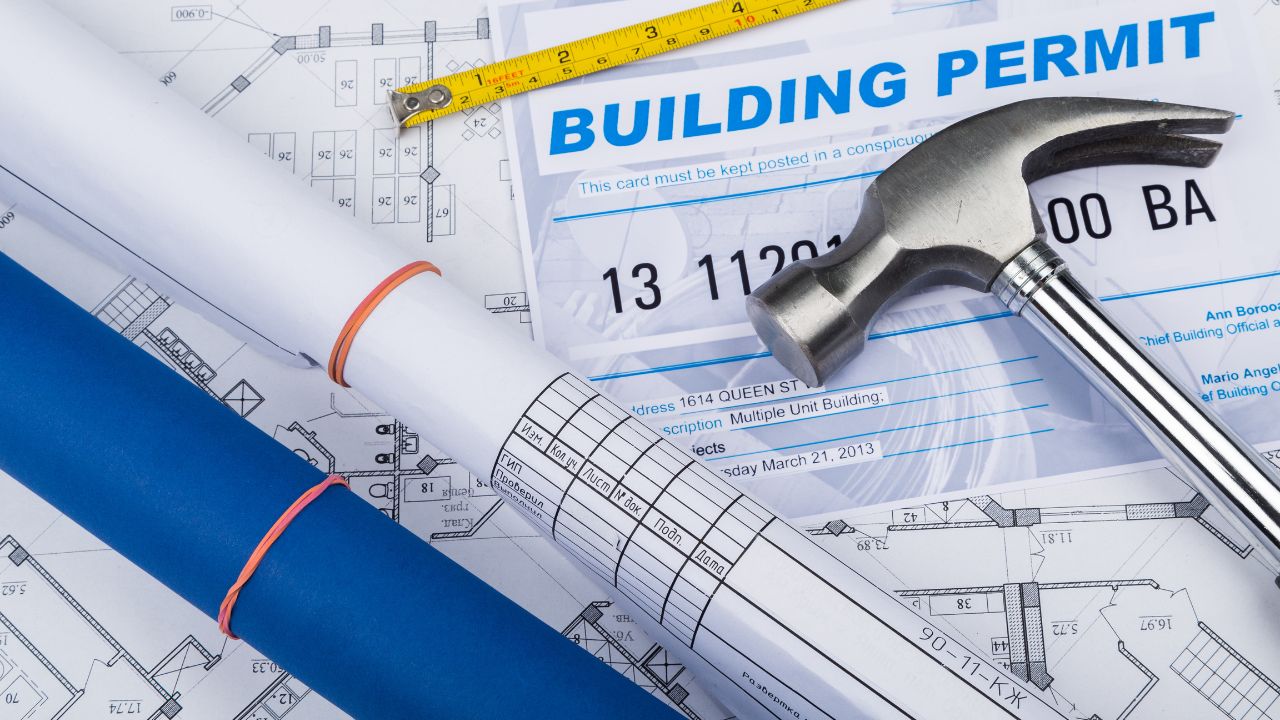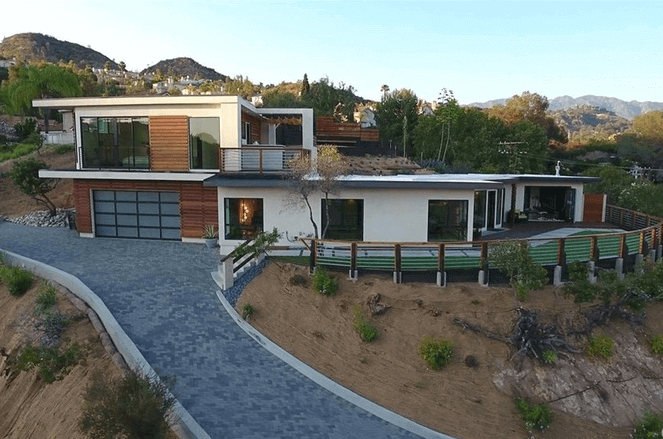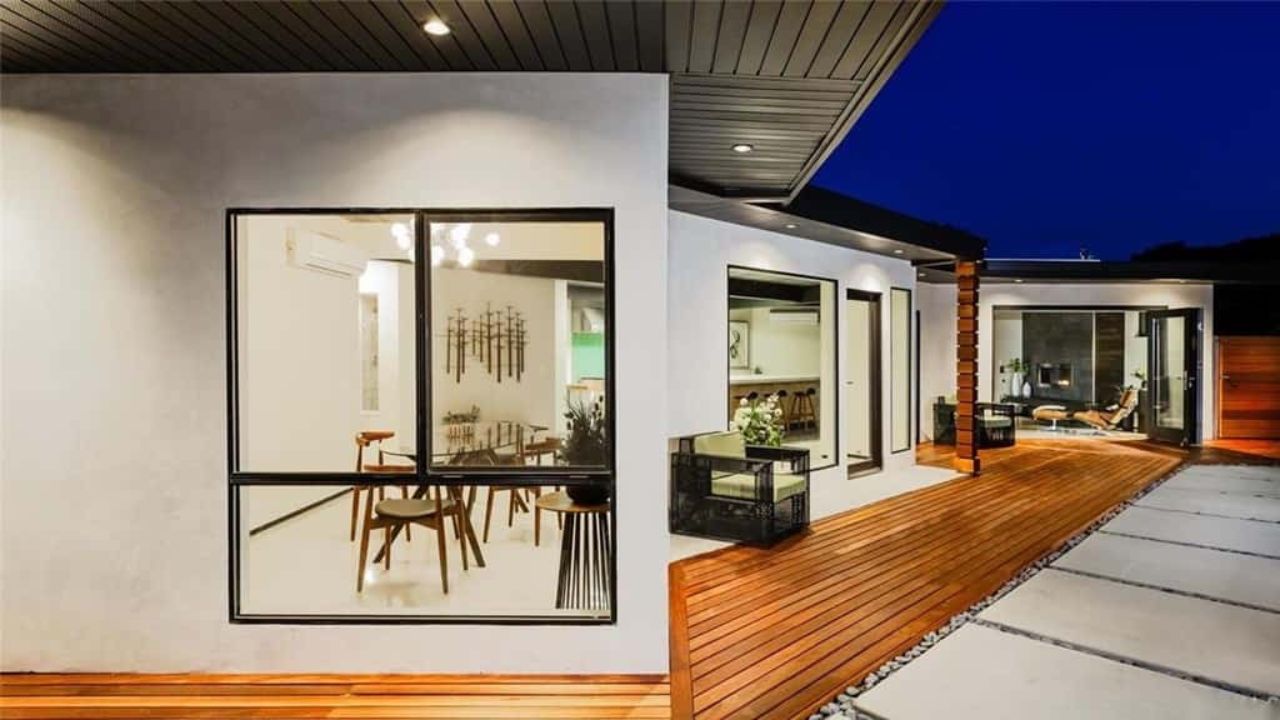
Building a custom home in Los Angeles requires multiple permits from LADBS. This guide covers permit types, costs, timelines, and zoning requirements to keep your project on track.
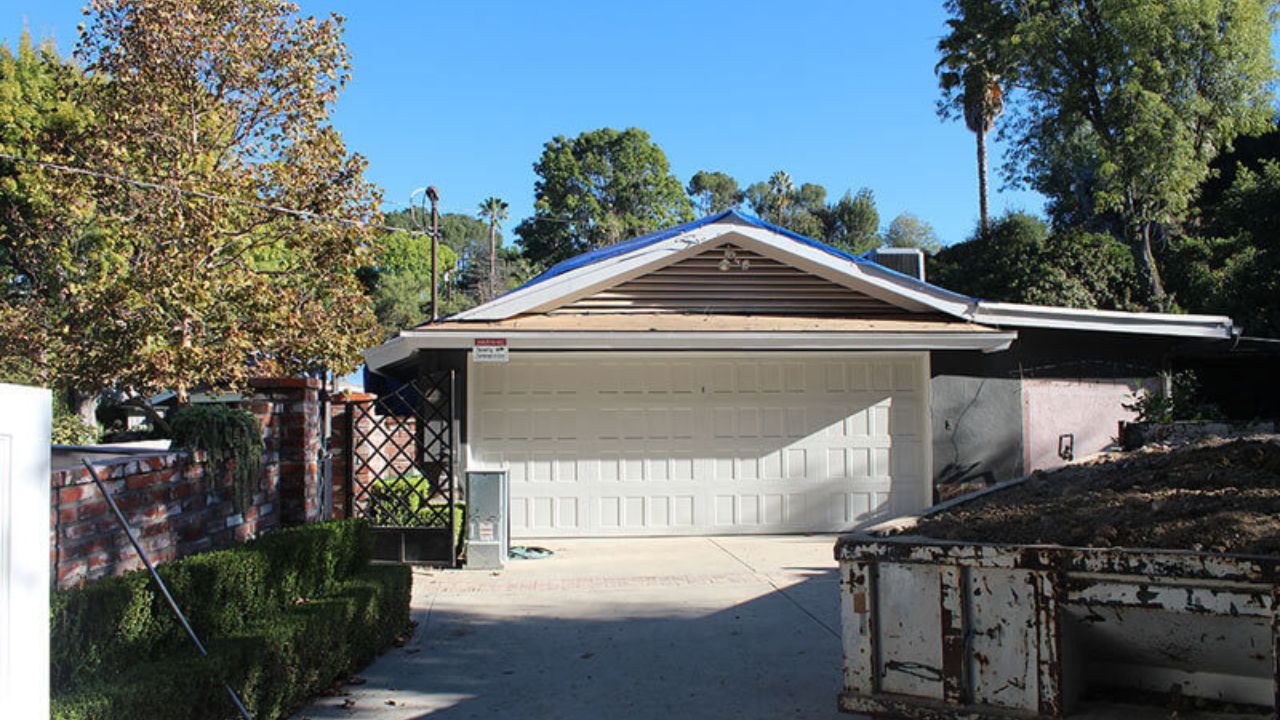
Garage Conversion: The Ultimate Guide For LA Homeowners
Key Takeaways
- Garage conversions are approved “by right” in most LA residential zones (R1-R4), with no neighbor approvals or public hearings required, streamlining the path to additional livable space.
- Budget $100,000-$130,000+ and 4-10 months total from permit submission to completion, with 2-6 months for LADBS permitting and 2-4 months for construction.
- Title 24 energy compliance is mandatory and adds $2,800-$4,000 for whole-house fans, heat pump water heaters, and insulation upgrades, but qualifies you for California energy rebates.
- No replacement parking is required if your property is within 0.5 miles of public transit, and legally built garages often bypass standard 4-foot setback requirements.
- Expect $200,000-$500,000 in property value increase plus $2,000-$4,000 monthly rental income, delivering 8-12% annual ROI and 5-10 year break-even, one of LA’s highest-return improvements.
Limited lot sizes and soaring home prices have made garage conversions the most strategic path to additional livable space in Los Angeles. Converting underutilized garage space into a legal ADU or JADU adds square footage without sacrificing yard area, generates substantial rental income, and increases property value by $200,000-$500,000. California’s ADU-friendly legislation and streamlined approval process have removed traditional barriers, as neighbor approvals, public hearings, and simplified permitting for properties meeting basic guidelines.
This guide walks you through every aspect of garage conversion Los Angeles projects: eligibility requirements, permit processes, construction costs, energy compliance, design trends, and ROI projections. Whether you’re seeking rental income, multigenerational housing, or property value maximization, you’ll find the answers you need to move forward confidently.
What Is A Garage Conversion ADU Or JADU In Los Angeles?
A garage conversion transforms underutilized garage space into a legal living unit.
An ADU (Accessory Dwelling Unit) includes a full kitchen and bathroom. It can be attached or detached and serves as rental housing or a family living space. Also called a granny flat or second unit, ADUs range from 150 to 1,200 square feet for detached units.
A JADU (Junior ADU) is smaller, maximum 500 square feet, and must be within your main home. It requires its own exterior access, making garage conversions ideal. Most JADUs are 350-400 square foot studios perfect for singles or couples.
How Do I Confirm My Property Is Eligible For A Garage Conversion In LA?
Most residential properties in LA qualify for garage conversions.
Your property likely qualifies if zoned R1, R2, R3, or R4. Use the LA Zoning Map to verify your property’s designation and confirm conversion eligibility. Understanding LA zoning & permits ADU requirements is crucial before starting your project.
Special areas require extra scrutiny. Properties in Historic Preservation Overlay Zones (HPOZ) face architectural review requirements. Hillside properties encounter access challenges and higher terrain costs. Coastal properties deal with an additional regulatory layer. Check with your local building department if your property falls into these categories.
What Size, Setback, Height, And Placement Rules Apply To LA Garage Conversions?
Size limits and setback rules are straightforward for garage conversions.
JADUs max out at 500 square feet. Conversion ADUs range from 150 to 1,200 square feet for detached units. Most garage conversions fall in the 350-800 square foot range, ideal for studios or one-bedrooms.
Setback advantages: Legally built garages often bypass the standard 4-foot setback requirement, making conversions easier than new construction. This exemption lets you maximize existing structures without losing buildable space to setback rules.
What Parking And Driveway Rules Change When I Convert A Garage In Los Angeles?
No replacement parking is required if you’re within 0.5 miles of public transit.
This transit proximity rule eliminates the biggest obstacle to garage conversions. Most LA neighborhoods qualify, letting you convert without adding new parking spaces. Check your distance from the nearest bus stop or metro station using online transit maps to confirm eligibility.
What Permits, Plans, And Submittals Do I Need From LADBS For A Garage Conversion?
Your garage conversion requires building, electrical, plumbing, and structural permits from LADBS.
Submit architectural plans to the LA Department of Building and Safety showing your conversion layout, electrical routing, plumbing configuration, and structural modifications. LADBS reviews submissions for zoning compliance, fire safety, and Title 24 energy efficiency standards.
Processing time runs 2-6 months. Plan for this timeline when scheduling your project. Use pre-approved LADBS designs if available; they significantly shorten permit approval. Once approved, construction can begin. Final inspection and Certificate of Occupancy are required before you or a tenant can legally occupy the space.
What Building Codes And Inspections Will My LA Garage Conversion Need To Pass?
Title 24 energy efficiency requirements drive most building code compliance costs.
Mandatory energy features include: A whole-house fan (~$1,800) for natural cooling, an electric heat pump water heater replacing gas models, and upgraded insulation ($1,000-$2,000) with radiant barriers and higher R-value materials. Solar may be required depending on your project scope and jurisdiction.
HERS testing verifies compliance. A certified Home Energy Rating System rater inspects your insulation, HVAC, windows, and building envelope. Most projects use the Performance Method, computer modeling that allows flexibility in meeting energy targets through trade-offs. The simpler Prescriptive Method limits windows and increases costs, making it less practical for conversions.
How Long Does A Garage Conversion Typically Take in Los Angeles?
Expect 4-10 months total from permit submission to completion.
Permit processing takes 2-6 months, the longest single phase. Use LADBS pre-approved plans to cut months from this timeline. Construction runs 2-4 months for most conversions once permits clear.
Prefab ADUs offer the fastest path. These factory-built units install in 2-4 months and include permit-ready plans, making them ideal for homeowners prioritizing speed over customization.
How Much Does A Garage Conversion Cost In LA, And What Variables Move The Budget?
Plan for $100,000-$130,000+ for a turnkey ADU garage conversion LA project.
Cost breakdown: Architectural plans and permits run $5,000-$15,000. Structural and foundation upgrades cost $10,000-$25,000. Plumbing and electrical work requires $15,000-$30,000. Interior finishes and appliances range from $20,000-$50,000.
Per-square-foot costs vary widely. Standard conversions run $150-$400 per square foot, depending on finishes and complexity. Prefab ADUs cost $150-$250 per square foot, the most budget-friendly option. Energy compliance adds $2,800-$4,000 for whole-house fans and insulation upgrades. Foundation raising, separate metering, and custom finishes push budgets toward the higher end.
What Landlord-Tenant And Rental Rules Apply If I Plan To Rent The Unit In Los Angeles?
Long-term rentals are allowed and generate $2,000-$4,000 monthly in most LA neighborhoods.
ADU rental income is location-dependent; units in West LA, Santa Monica, and Beverly Hills command premium rates, while Valley and Eastside properties rent lower. Standard landlord-tenant laws apply, including LA’s rent stabilization ordinances if your property qualifies.
Short-term rentals face heavy restrictions. Most LA areas prohibit Airbnb-style rentals in ADUs. Only owner-occupied properties in specific zones can pursue short-term rental permits, and approval is limited. Plan for long-term tenants to maximize rental income and avoid regulatory complications.
How Are Utilities Planned For An LA Garage Conversion?
Separate metering is required if you plan to rent the ADU.
Install dedicated electric, gas, and water meters so tenants pay their own utilities. This separation protects you from unpredictable costs and simplifies rent calculations. Your contractor handles meter installations during the electrical and plumbing phases; budget accordingly.
If the ADU houses a family, shared metering from your main house works. However, separate meters future-proof the unit for eventual rental and increase resale appeal.
How Should I Finance A Garage Conversion In LA?
Home equity loans, construction loans, and cash-out refinancing are the most common financing paths.
Home equity lines of credit (HELOCs) offer flexibility, draw funds as construction progresses, and pay interest only on what you use. Construction loans work for larger projects but require detailed plans and contractor bids upfront. Cash-out refinancing converts home equity into a lump sum at current mortgage rates.
Energy rebates reduce costs. Title 24 compliance qualifies you for California energy efficiency rebates on insulation, heat pump water heaters, and solar installations. Check with your utility provider and the California Energy Commission for available programs that offset initial expenses.
How Do I Choose The Right Delivery Path For My Conversion?
Prefab ADUs offer speed and cost certainty; custom builds provide design flexibility.
Prefab ADUs cost $150-$250 per square foot and are installed in 2-4 months, the fastest, most budget-friendly option. Factory construction eliminates weather delays and includes permit-ready plans. Trade-off: limited customization and standardized layouts.
Custom conversions with LADBS pre-approved designs split the difference. A design-build ADU Los Angeles approach streamlines the process by combining design and construction under one team. Pre-approved plans shorten permitting by months while allowing modifications to fit your garage’s dimensions and your design preferences. Modular construction methods further accelerate timelines without sacrificing quality. Choose prefab for speed and savings, custom for personalization.
Where Do LA Garage Conversions Most Often Go Wrong, And How Do I Avoid Those Pitfalls?
The four costliest mistakes are skipping permits, ignoring energy codes, poor planning, and hiring unlicensed contractors.
Skipping permits leads to legal issues, fines, and difficulty selling your home. Unpermitted ADUs can’t be legally rented and require expensive retrofitting. Always pull proper permits.
Ignoring fire safety and Title 24 insulation requirements fails inspections and forces costly rework. Poor plumbing and electrical planning create functionality issues. Plan kitchen and bathroom locations carefully to minimize pipe runs and electrical routing. Hiring unlicensed contractors voids permits and leaves you liable for code violations. Verify contractor licenses through the California Contractors State License Board before signing contracts. Working with experienced custom home builders ensures quality craftsmanship and code compliance.
What Sustainability And Electrification Upgrades Make Sense For Small LA ADUs?
Solar panels, smart technology, and energy-efficient systems deliver the highest ROI for LA garage conversions.
Eco-friendly upgrades pay dividends. Solar-ready roofing and panels offset electricity costs while qualifying for California rebates. Energy-efficient windows and insulation exceed Title 24 minimums, reducing HVAC loads. Drought-tolerant landscaping and rainwater collection systems lower water bills, critical in water-scarce LA.
Smart technology appeals to renters. Keyless entry, remote-controlled thermostats, and smart water heaters increase rental competitiveness. These systems allow remote management and reduce maintenance calls. For owner-occupied ADUs, multi-functional layouts with Murphy beds, fold-down desks, and hidden storage maximize limited square footage.
Light-filled designs with floor-to-ceiling windows, skylights, and sliding glass doors to private patios create indoor-outdoor flow, essential for LA living. Accessibility features like step-free entries, walk-in showers, and wider doors support aging-in-place and multigenerational living.
How Might A Garage Conversion Affect Property Value, Taxes, And Insurance?
Garage conversions increase appraised value by $200,000-$500,000 and deliver 8-12% annual ROI.
The ROI garage conversion projects make them among LA’s smartest investments. Combining rental income ($2,000-$4,000 monthly) with property appreciation creates dual-income asset potential. Break-even typically occurs in 5-10 years, faster in high-demand neighborhoods like West LA, Santa Monica, and Culver City.
Property taxes increase with assessed value. LA County reassesses your property when you pull permits for substantial improvements. Expect higher annual taxes reflecting your ADU’s added value. Homeowners insurance requires adjustment, too. Notify your carrier when construction begins and update coverage limits once complete. Some insurers offer rental dwelling policies for income-generating ADUs. The tax and insurance increases are modest compared to rental income and appreciation gains.
What Are The Step-By-Step Stages To Convert A Garage In Los Angeles?
Five phases take you from zoning verification to Certificate of Occupancy.
Step 1: Zoning Verification. Use the LA Zoning Map to confirm your property qualifies (R1-R4 zones). Check setback rules, lot size, and parking requirements. Verify your garage can convert without major structural changes.
Step 2: Permit Acquisition (2-6 months). Submit architectural plans to LADBS showing layout, electrical, plumbing, and structural details. Obtain building, electrical, plumbing, and structural permits. Plans must pass zoning, fire safety, and Title 24 energy efficiency reviews.
Step 3: Design Planning. Finalize studio, one-bedroom, or two-bedroom layouts prioritizing natural light, ventilation, and energy efficiency. Plan a separate entrance, full kitchen, bathroom, and living space.
Step 4: Construction (2-4 months). Raise the foundation and floor to meet livable space requirements. Install walls and Title 24-compliant insulation. Run plumbing and electrical with separate metering if renting. Add roofing and windows meeting fire and ventilation codes.
Step 5: Final Inspection. LADBS inspects completed work. A Certificate of Occupancy is required before occupancy or rental. Schedule this inspection before advertising the unit or moving anyone in.
Can I Convert An Attached vs. Detached Garage, And Which Is Better For My Goals?
Both attached and detached garages convert successfully; your choice depends on privacy needs and rental goals.
Detached garage conversions become standalone ADUs with full independence, ideal for rental income or housing adult family members. Attached garage conversions work as either ADUs or JADUs, with JADUs limited to 500 square feet and requiring connection to the main home. Attached conversions typically cost less due to shared walls and existing utility connections.
Choose attached for family use, detached for rentals. Attached conversions (350-400 sq ft studios) suit single occupants or couples and maintain a connection to your main house. Detached conversions offer tenant privacy and clearer landlord-tenant boundaries, commanding higher rents in most LA neighborhoods.
Can I Convert Part Of A Garage Or Pursue A JADU Instead?
Partial conversions as JADUs maximize flexibility while preserving some garage function.
JADUs cap at 500 square feet, must connect to your main home, and require separate exterior access. This makes them perfect for converting half of an attached two-car garage into a 350-400 square foot studio while keeping one parking space. JADUs suit aging parents, adult children, or modest rental income.
Full garage conversions offer more space and rental income potential, but eliminate all parking. Weigh your parking needs against income goals; partial conversions work best when you need vehicle storage or face neighborhood parking pressure.
Can I Convert A Nonconforming Or Substandard Garage In Los Angeles?
Nonconforming garages can convert if you prove legal nonconforming status, but standard setbacks are safer.
LADBS accepts permits for original construction, assessor records showing the garage, or Sanborn fire insurance maps proving pre-existing status. Your structure must closely match historical records. Requirements include: no unpermitted construction within the building, no oak trees or utility lines blocking construction, single-story only, and under 1,200 square feet.
Unpermitted garages have a path forward. California’s 5-year grace period (started January 1, 2020) allows legalizing unpermitted conversions without fines. Hire an architect to create code-compliant plans, bring the structure to code, and obtain a Certificate of Occupancy. Standard 4-foot setbacks avoid rejection risks; attempting nonconforming setbacks without clear permits adds time, cost, and denial risk.
Do I Need Neighbor Notices Or HOA Approval For A Garage Conversion?
ADUs are approved “by right”, no neighbor approvals or public hearings required.
California law eliminates discretionary review for compliant ADUs. You don’t need city planning department approval, neighbor consent, or planning board hearings if you meet established guidelines. This streamlines the process significantly compared to traditional additions.
HOAs cannot block ADUs but can impose design standards. Per California AB 670, HOAs cannot prohibit ADU construction. However, they can require compliance with design guidelines in CC&Rs and bylaws. Contact your HOA before designing; knowing standards upfront helps your architect design correctly the first time. Attached garage conversions may need HOA architectural review before construction begins.
What Checklists And Records Should I Maintain From Day One?
Keep permits, plans, and all project documents on-site in a binder throughout construction.
At submittal, compile: Approved LA County Planning plans (2 copies), signed Title 24 calculations, agency referral items, WILL SERVE letter from water purveyor, County Assessor records, and approved site plan differentiating existing and proposed work. Projects over 500 square feet need school district fee receipts and landscape approval.
During construction: Post permits visibly, keep construction plans accessible, schedule a mandatory pre-construction meeting with the County Building Inspector, and ensure an adult is on-site or post Permission to Enter notices for inspections. Contact inspectors 8:00-9:30 AM on inspection days with all work exposed and accessible. After passing final inspection, your Certificate of Occupancy arrives by mail. Store it with your property records permanently.
How Should I Get Started On A Los Angeles Garage Conversion Today?
Start by verifying your property’s zoning eligibility and contacting a licensed contractor experienced in ADU conversions. Budget $100,000-$130,000+ for turnkey costs and expect 2-6 months for permitting plus 2-4 months for construction. With monthly rental income of $2,000-$4,000 and property value increases of $200,000-$500,000, garage conversions deliver 8-12% annual ROI and reach break-even in 5-10 years. This makes them one of LA’s highest-return home improvements.
Use pre-approved LADBS plans to accelerate timelines, ensure Title 24 compliance from day one, and hire licensed professionals to avoid costly mistakes. Your garage conversion adds livable space, generates passive income, and maximizes your property’s potential in LA’s limited-lot market.
Ready to explore your garage conversion options? Contact our experienced team today to discuss your property’s potential and get started.

As a second-generation general contractor with a passion for construction and design I bring a unique blend of experience, expertise, and innovation to every project. Having grown up in the world of construction, I’ve been immersed in the craft from an early age, learning the nuances of the industry from my father. My background in construction brings a deep respect for the craftsmanship that goes into every project, as well as an understanding of the practical challenges and intricacies involved in every phase of construction. With a wealth of hands-on knowledge passed down through the generations, every project is built to last while meeting the aesthetic and functional demands of today’s world.
Related Posts