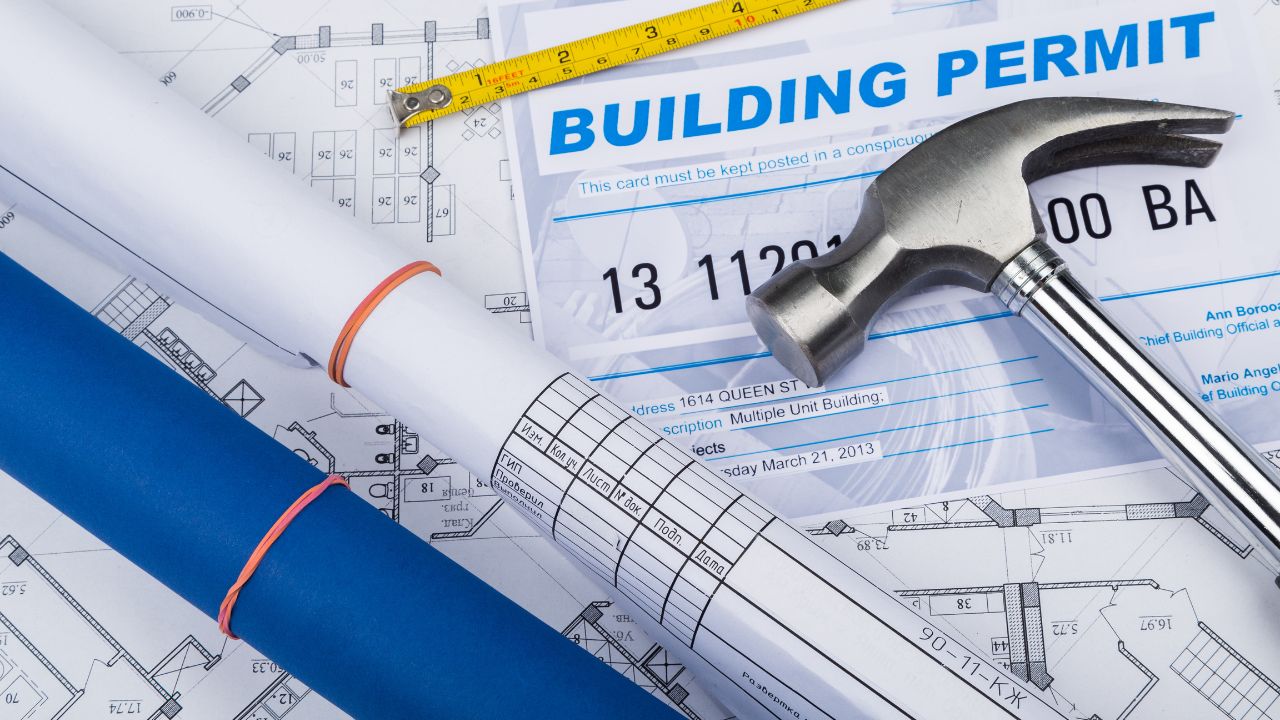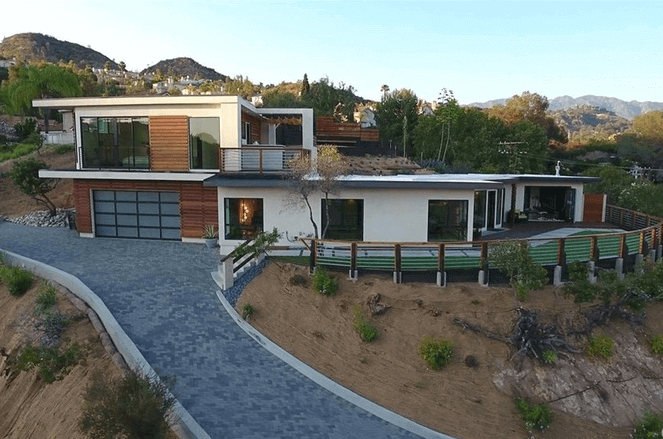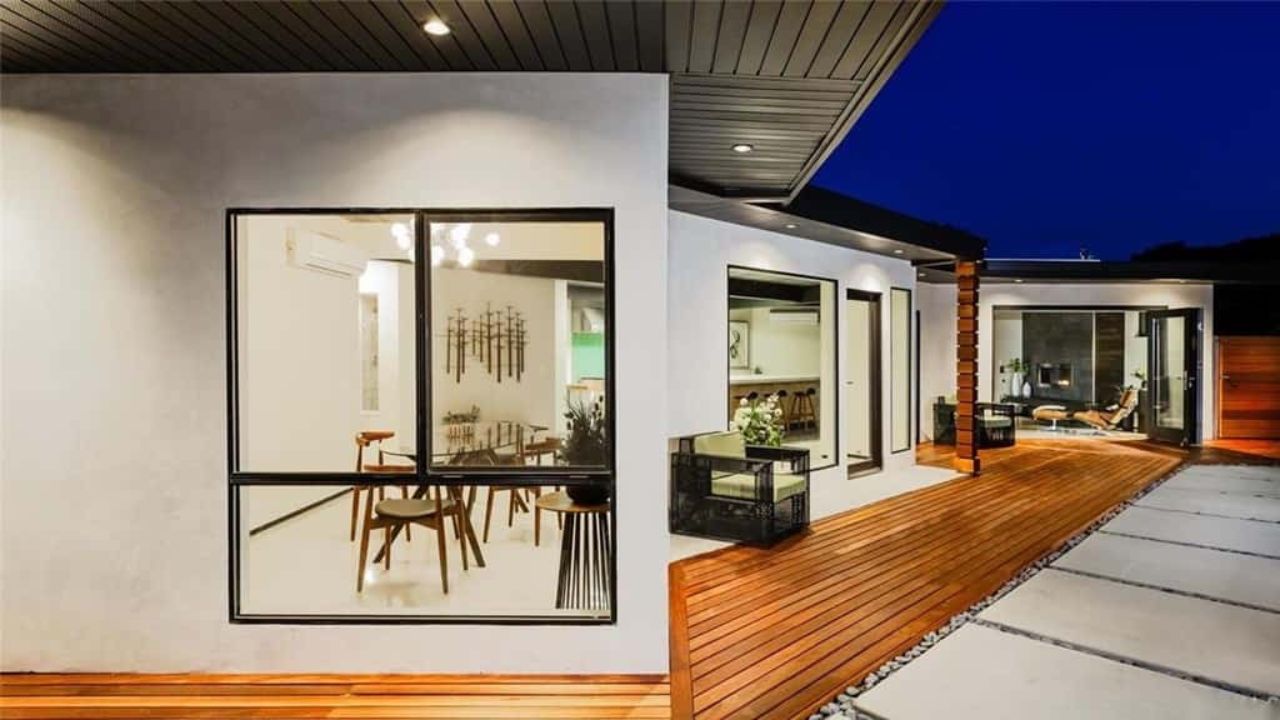
Building a custom home in Los Angeles requires multiple permits from LADBS. This guide covers permit types, costs, timelines, and zoning requirements to keep your project on track.
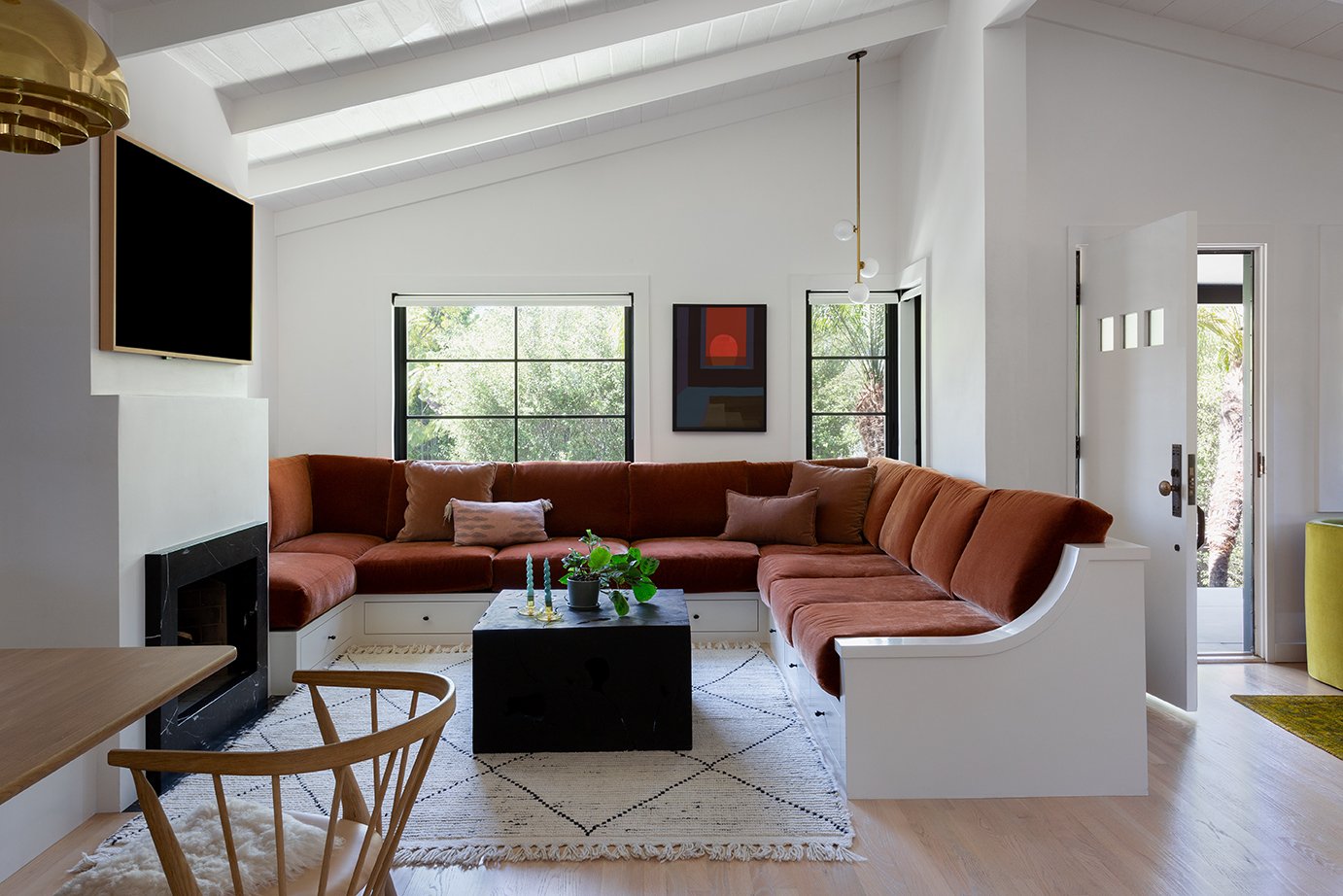
Commercial Renovation Services For LA’s Premium Office Spaces
Key Takeaways
- Financial Performance: LEED-certified buildings command 31% rent premiums, while renovations deliver 25.3% property value increases and energy savings of 30-60% compared to conventional buildings.
- Speed and Sustainability: Adaptive reuse completes renovations in 12-18 months, significantly faster than new construction, while minimizing waste and preserving architectural heritage.
- Strategic Design Integration: Premium renovations balance biophilic elements, advanced technology, and flexible layouts to support hybrid work while enhancing employee well-being and productivity.
- Regulatory Navigation: LA’s Adaptive Reuse Ordinance, LEED requirements, and ADA guidelines shape renovation approaches, with experienced contractors essential for navigating permitting and compliance complexities.
- Brand-Level Impact: Thoughtfully designed spaces communicate company values, attract quality tenants, and generate extended lease terms, transforming office renovation from expense into strategic investment.
Los Angeles’s premium office market is undergoing a fundamental transformation. Remote work reshaped expectations, sustainability became non-negotiable, and employees now demand spaces that support well-being alongside productivity. In this evolved landscape, renovation offers compelling advantages over relocation, faster timelines, superior ROI, and the opportunity to create distinctive brand experiences within existing architectural frameworks.
This comprehensive guide explores commercial renovation services for LA’s premium office spaces, examining design trends, regulatory requirements, cost structures, and strategic considerations that define successful projects. Whether you’re a property owner seeking to maximize asset value or a business leader reimagining your workplace, understanding renovation’s financial, operational, and brand implications is essential for making informed decisions in one of the nation’s most dynamic commercial markets.
What Are Commercial Renovation Services For Office Spaces?
Commercial renovation services transform existing office environments into functional, efficient workspaces aligned with a company’s brand identity and operational needs. These comprehensive services encompass space planning to optimize layout and flow, interior design concept development that reflects company values, strategic furniture selection for productivity and comfort, lighting design that enhances both mood and performance, and technology integration that supports modern work patterns.
The goal is creating cohesive workspaces where form meets function, environments that not only look polished but actively support the daily activities of employees while accommodating future growth and changes in work styles.
Why Should Businesses In LA Consider Renovating Their Office Spaces Instead Of Moving To A New Location?
Renovating offers compelling advantages over relocation, delivering both immediate and long-term value. A well-executed commercial renovation LA project provides faster completion, higher property value, and significant sustainability benefits compared to new construction.
Benefits Of Renovation Over Relocation
- Faster completion: Adaptive reuse completes in 12 to 18 months, significantly faster than new construction
- Higher property value: Upgraded spaces attract quality tenants, command higher lease rates, and secure longer lease terms
- Significant cost savings: Energy-efficient upgrades reduce operational expenses through lower utility bills
- Increased marketability: Renovated properties experience shorter vacancy periods and higher rental rates
- Tax benefits: Improvement expenses qualify for tax deductions, including energy-efficient upgrades and accessibility improvements
Environmental Benefits
Renovation supports LA’s sustainability priorities while reducing environmental impact.
- Waste reduction: Adaptive reuse minimizes demolition and waste by prioritizing existing spaces and furniture
- Energy efficiency: LEED-certified buildings use 30%-60% less energy than conventional buildings
- Sustainable approach: Reuse is faster, cheaper, and greener than new construction while preserving historic resources
- Reduced carbon footprint: LEED buildings generated $1.2 billion in energy savings between 2015 and 2018
What Are The Key Features Of Premium Office Renovations In LA?
Premium renovations integrate sophisticated design, advanced technology, and flexible layouts that adapt to evolving work patterns. High-end finishes workplace environments feature materials like marble, polished wood, and premium metals that establish visual impact, while biophilic elements, living green walls, natural materials, and abundant daylight enhance employee well-being and productivity. Custom-built furniture and strategic lighting create environments that inspire while supporting focused work and collaboration.
Key Innovations in Office Design
- Flexible, choice-based environments: Variety of work settings from focused pods to communal areas with seamless technology
- Kit-of-parts approach: Ergonomic seating variations, sit/stand desks, soft booths, and communal worktables supporting different work modes
- Biophilic design integration: Living green walls, natural wood elements, and plant life promoting health and productivity
- Multifunctional gathering spaces: Dynamic areas for presentations and collaboration with built-in audio-visual capabilities
- Wellness-oriented features: Standing desks, soundproofing, air purifiers, and green walls create healthier work environments
- Technology-enabled collaboration: Conference and huddle rooms with cameras, speakers, and displays for wireless connectivity
What Are The Key Steps In The Commercial Renovation Process For Premium Office Spaces In LA?
The renovation process requires strategic planning, stakeholder coordination, and phased execution. Success depends on understanding diverse user needs upfront, selecting experienced general contractors, and maintaining clear communication throughout construction. Projects typically move from discovery through design, contractor selection, construction, and final inspection, with periodic reviews ensuring alignment between vision and execution.
Step-by-Step Renovation Phases
- Discovery & Stakeholder Input: All-staff surveys gathering insights on workspace needs, usage patterns, and in-office frequency
- Planning & Design: Interior studio leads planning with periodic feedback from office leadership and workplace groups
- Understanding Diverse Needs: Time allocated for understanding requirements when merging entities or accommodating various user groups
- Contractor Selection: Choosing general contractors and FF&E procurement partners with proven expertise
- Construction Phase: Implementation focusing on adaptive reuse to minimize waste and disruption
- Final Inspection & Handover: Review and delivery with technology integration and final adjustments
How Long Does A Commercial Office Renovation Project Typically Take In LA?
Project duration varies based on scope, complexity, and local market conditions. While adaptive reuse typically completes in 12 to 18 months, labor shortages, permitting processes, and stakeholder coordination can extend timelines. Understanding these factors enables realistic scheduling and proactive management of potential delays, with experienced project managers essential for maintaining schedule and budget control.
Factors Influencing Project Duration
| Factor | Impact on Timeline | Details |
| Project Scope | 12-18 months | Typical adaptive reuse conversion timeline, significantly faster than new construction |
| Labor Availability | Variable delays | Persistent labor shortages can extend project schedules |
| Permitting Process | Weeks to months | Permitting delays remain common in LA’s renovation market |
| Skilled Talent | Extended timelines | Limited availability of skilled workers impacts project schedules |
| Stakeholder Coordination | Additional time | Merging entities or accommodating diverse user groups requires extended planning |
Tips To Minimize Delays
- Conduct thorough stakeholder surveys early: Gather workspace needs and usage patterns upfront to avoid design changes later
- Plan for adaptive reuse: Prioritize existing spaces and furniture to reduce demolition and construction time
- Secure experienced contractors: Select partners with proven LA market expertise in permitting and regulations
- Build in contingency time: Account for labor shortages and permitting delays common in the LA market
- Establish periodic review cycles: Implement regular feedback loops to identify and resolve issues early
What Are the Current Trends In Office Renovation For LA’s Premium Spaces?
LA’s premium office market is driving innovation across sustainability, technology, and design. Green building certifications have become standard rather than optional, with LEED and WELL certifications delivering measurable financial returns alongside environmental benefits. Technology integration now extends beyond basic connectivity to encompass smart building systems, touchless interfaces, and seamless hybrid work infrastructure that supports distributed teams.
Sustainable Renovation Trends
- LEED certification premium value: LEED-certified buildings command 31% rent premium ($38 per square foot over non-certified buildings)
- WELL Building Standard adoption: WELL-certified buildings achieve 7.7% higher rents and 8% employee performance increase, with $115 per square foot 10-year net present value
- Energy consumption reduction: LEED buildings use 25% less energy on average, with some achieving 30-60% reduction
- Increased ESG spending: 86% of contractors report clients spending as much or more on ESG features
- California leadership: LEED certification has been required for state buildings since 2004, creating a mature green building market
- Municipal requirements: LA Bureau of Engineering mandates LEED certification for municipal buildings exceeding 7,500 square feet
Tech Innovations In Office Renovations
- Smart building systems: IoT devices, AI-driven climate control, and advanced security systems are transforming office operations
- Touchless and digital solutions: Touchless entry, digital booking platforms, and virtual reality meeting rooms are becoming standard
- Seamless hybrid technology: Wireless connectivity, smart lighting, and advanced AV systems supporting distributed workforces
- Integrated AV infrastructure: Retractable screens and digital projectors with built-in audio-visual capabilities enabling hybrid events
- Plug-and-play technology: Frictionless systems in conference rooms supporting rapid transitions between work modes
What Are The Legal And Regulatory Requirements For Commercial Office Renovations In LA?
LA’s regulatory framework balances preservation, sustainability, and accessibility. The Adaptive Reuse Ordinance, passed in 1999 and recently expanded citywide, streamlines conversions of underutilized buildings. Municipal LEED requirements for buildings over 7,500 square feet set precedents that influence commercial development standards across the market, particularly for tenant improvement Los Angeles projects.
Required Permits And Licenses
| Permit/License Type | Description | Application Process |
| Adaptive Reuse Permit | Streamlined permit for converting underutilized buildings | Applies citywide; easier than traditional new construction permits |
| Building Permit | Standard construction permit for renovation work | Subject to permitting delays; required for structural and system work |
| LEED Certification | Green building certification for municipal buildings >7,500 sq ft | Required for municipal projects; voluntary but advantageous for commercial |
| ADA Compliance Review | Ensures accessibility standards are met | Required for all renovations; includes wayfinding, placement heights, Braille |
Key Building Codes And Zoning Laws
| Code/Law | Compliance Requirements | Impact on Premium Office Spaces |
| Adaptive Reuse Ordinance (ARO) | Facilitates conversion of vacant/underutilized buildings; expanded citywide | Enables faster, cheaper, greener renovations; particularly beneficial for historic buildings |
| LEED Requirements (Municipal) | Mandatory for city buildings >7,500 sq ft | Sets precedent for commercial development; drives sustainable design standards |
| ADA Guidelines | Braille/tactile elements, high-contrast colors, specific heights, large fonts | Ensures accessible, inclusive environments; impacts wayfinding design |
| Environmental Regulations | Stringent LA environmental standards | Drives sustainable materials, energy-efficient systems, and green certifications |
How Do You Choose The Right Commercial Renovation Company For Your Office Space?
Selecting the right contractor requires evaluating market expertise, portfolio quality, and specialized capabilities. Premium office build-out projects demand partners who understand LA’s regulatory landscape, can navigate persistent labor challenges, and have proven experience delivering high-end finishes within the $200+ per square foot cost range typical of top-tier markets.
Factors To Evaluate When Hiring A Contractor
- Market-specific experience: Proven track record with LA regulations, permitting processes, and local labor challenges
- Portfolio quality: Past projects demonstrating premium finishes, technology integration, and completion in $200+ per square foot range
- Specialized partnerships: Established relationships with FF&E procurement partners and specialized subcontractors
- ESG capabilities: Demonstrated LEED and WELL certification experience, as 86% of clients prioritize ESG features
- Labor force management: Proven ability to navigate labor shortages and secure skilled talent
- Premium buildout expertise: Experience with law firms and premium clients requiring 16% higher costs for premium materials
- Client reviews and references: Positive feedback on projects completed within 12-18 month timeframe
What Are The Costs of Renovating A Premium Office Space In LA?
Premium office renovations in LA reflect top-tier market pricing, with hard construction costs exceeding $200 per square foot and all-in costs, including soft costs, IT, furniture, and equipment, reaching significantly higher. Gateway markets like San Francisco ($219.26/psf) and New York ($212.59/psf) provide benchmarks for LA’s premium segment, where law firms and high-end tenants pay 16% more than standard buildouts for premium materials and finishes.
Effective change order management helps maintain budget control throughout the project lifecycle.
Typical Renovation Cost Breakdown (Tier 1 Market Reference)
| Cost Category | Cost per Square Foot | Percentage of Total |
| Hard Construction Costs | ||
| Mechanical, Plumbing, Fire Protection | $49.54 | 23% |
| Electrical | $46.79 | 22% |
| Drywall, Acoustic, Carpentry | $21.09 | 10% |
| Doors, Frames, Hardware | $20.48 | 10% |
| General Requirements, Conditions & Fee | $20.45 | 10% |
| Contingency | $19.93 | 9% |
| General Finishes | $13.62 | 6% |
| Architectural Millwork | $13.44 | 6% |
| Miscellaneous Architectural Trades | $7.25 | 3% |
| Total Hard Costs | $212.59 | 100% |
| Additional All-In Costs | ||
| Furniture | $46.77 | 22% of HC |
| A/V Systems | $25.51 | 12% of HC |
| Soft Costs | $21.26 | 10% of HC |
| IT Infrastructure | $8.50 | 4% of HC |
| Miscellaneous | $4.25 | 2% of HC |
| Total All-In Cost | $318.88 |
Common Cost Factors
- Premium materials and finishes: Marble, polished wood, premium metals, and custom furniture increase costs 16% for premium clients
- Green building certifications: LEED certification adds 5-15% to construction costs but delivers 31% rent premiums
- Technology integration: A/V systems represent 12% of hard costs; includes cameras, speakers, displays, wireless connectivity
- Acoustic solutions: Sound-absorbing panels, partitions, and specialized flooring addressing productivity losses up to 86 minutes per day
- ESG feature acceleration: Accelerated ESG spending increases costs for electrification and sustainable systems
- Labor market conditions: Persistent shortages and skilled talent challenges impact overall project costs
- Furniture and equipment: Represents 22% of hard costs for ergonomic seating, modular systems, and hospitality-inspired furnishings
What Are The Risks And Challenges Of Office Renovation Projects In LA?
Renovation projects face predictable challenges that require proactive management. Labor shortages, permitting delays, and stakeholder coordination complexities can extend timelines and inflate budgets. Premium finishes and ESG features add cost pressures, while acoustic deficiencies can erode productivity gains if not addressed early in the design phase.
Common Challenges in Renovation Projects
- Persistent labor shortages: Ongoing labor challenges extend timelines and increase costs across the sector
- Permitting delays: Obtaining necessary permits remains a common bottleneck impacting project schedules
- Finding skilled talent: Securing qualified craftspeople and specialized contractors in competitive markets
- Productivity losses from poor acoustics: Employees lose up to 86 minutes per day in noisy offices, requiring acoustic solution investment
- ESG cost escalation: Accelerated ESG spending drives price increases in electrification and sustainable feature commodities
- Premium finish requirements: Law firms and premium clients require buildouts costing 16% more due to material and finish quality
- Stakeholder coordination complexity: Merging entities or accommodating diverse user groups requires extra time and coordination
How Can Office Renovation Enhance Your Company’s Brand and Image?
Office design functions as a three-dimensional expression of brand identity. Strategic renovations communicate company values through material selection, spatial organization, and cultural integration, transforming workspaces into brand experiences that resonate with employees and clients alike. Premium spaces convey quality and attention to detail, while human-centered design demonstrates commitment to employee well-being.
Interior Design as Brand Communication
- Branded reception areas: Corporate colors and dimensional logos establish brand identity upfront, setting expectations for the entire space.
- Art and culture integration: Local Los Angeles artists’ work throughout spaces emphasizes inclusion, diversity, and community values.
- Premium materials selection: Marble, polished wood, and premium metals convey permanence, quality, and meticulous attention to detail.
- Custom branding elements: Brand messaging and custom displays in high-traffic areas reinforce company identity and values.
- ADA-compliant wayfinding: Branded signage with Braille, high-contrast colors, and accessibility features reflects inclusive corporate values.
What Are The Benefits Of Professional Commercial Renovation Services?
Professional renovation services deliver measurable value through expertise, efficiency, and risk mitigation. Experienced contractors navigate regulatory complexities, manage labor challenges, and coordinate stakeholders effectively, minimizing delays and cost overruns. The result: upgraded spaces that attract quality tenants, command premium rents, and generate extended lease terms while positioning properties as strategic assets for talent attraction and business growth.
Advantages of Experienced Renovation Contractors
- Attracting quality tenants: Command higher rental rates and longer lease terms, maximizing ROI for property owners.
- Increased lease rates: Premium offices with the latest technology and flexible environments justify premium pricing.
- Extended lease terms: Quality upgrades encourage tenant commitment, providing stable, consistent rental income streams.
- Increased marketability: Well-designed workspaces reduce vacancy periods and increase rental rates for a favorable ROI.
- Strategic asset development: Premium spaces become competitive advantages for talent attraction, innovation, and employee well-being.
- Professional coordination: Experienced teams navigate permitting delays, labor shortages, and stakeholder challenges effectively.
Why Invest In Renovating Your Premium Office Space In LA?
Premium office renovation delivers compelling financial returns alongside operational and brand benefits. LEED-certified spaces command 31% rent premiums while cutting energy costs by up to 60%. WELL certification boosts employee performance 8% and generates $115 per square foot in 10-year value. Renovations complete in 12-18 months, faster than new construction, while adaptive reuse preserves architectural heritage and reduces environmental impact.
Beyond immediate ROI, renovated spaces function as strategic assets. They attract and retain top talent, foster innovation, and communicate company values through thoughtful design. Premium materials, biophilic elements, and technology integration create environments where employees thrive and clients see tangible evidence of organizational excellence.
In LA’s competitive market, where sustainability meets sophistication, strategic renovation transforms office space from overhead expense into a competitive advantage.
Ready to transform your office space? Contact our team to discuss your premium renovation project and discover how strategic design can elevate your business.

As a second-generation general contractor with a passion for construction and design I bring a unique blend of experience, expertise, and innovation to every project. Having grown up in the world of construction, I’ve been immersed in the craft from an early age, learning the nuances of the industry from my father. My background in construction brings a deep respect for the craftsmanship that goes into every project, as well as an understanding of the practical challenges and intricacies involved in every phase of construction. With a wealth of hands-on knowledge passed down through the generations, every project is built to last while meeting the aesthetic and functional demands of today’s world.
Related Posts