Deciding between building a custom home or buying in Los Angeles? Compare costs, timelines, and trade-offs to find the right path for your dream home.
The Step-by-Step Process of Custom Home Construction in Los Angeles
Key Takeaways
- Timeline: Building a custom home in Los Angeles takes 12-24 months from design to move-in, with permitting often being the longest variable.
- Budget: Expect $200-$1,000+ per square foot depending on construction grade, plus 10-20% contingency for unexpected costs.
- Team: Hire professionals familiar with Los Angeles codes—an architect, general contractor, and structural engineer are essential for the custom home construction process.
- Permits: Start early with LADBS. Complete, accurate applications prevent costly delays in the steps of custom home building.
- Materials: Choose earthquake-resistant and fire-rated materials like ICF walls and Class A roofing to meet California’s strict building requirements.
The custom home construction process in Los Angeles follows a carefully orchestrated sequence of phases. From site preparation to final finishes, each step builds on the last. The Los Angeles Department of Building and Safety (LADBS) oversees all permits and ensures every build meets local and state codes. Understanding this process helps homeowners set realistic expectations and avoid costly surprises.
How Does Custom Home Building Differ from Production Home Building?
Custom home building creates a living space tailored specifically to your lifestyle, preferences, and lot. Production homes use pre-set floor plans with limited modifications. Building a custom home in Los Angeles involves careful material selection, a multi-stage construction process, and navigation of complex regulatory requirements. You control every detail—but that control demands more time, decisions, and coordination with your build team.
What Makes Los Angeles Construction Unique Compared to Other Cities?
California’s climate presents distinct challenges: intense heat, coastal moisture, and wildfire risk all influence material choices and building methods. Seismic codes add another layer of complexity not found in most U.S. cities. Navigating the permit process is one of the most challenging aspects of building a custom home in Los Angeles. LADBS requirements, zoning restrictions, and agency clearances often extend timelines beyond what builders face elsewhere. Working with professionals who understand these local demands is essential for a smooth custom home construction process.
How Much Does It Cost to Build a Custom Home in Los Angeles?
Building a custom home in Los Angeles requires a significant investment. Costs vary widely based on size, materials, finishes, and location. Budget a contingency fund of 10-20% of the total construction cost to cover unexpected expenses or delays. This buffer protects your project from stalling when surprises arise.
What is the Average Cost Per Square Foot in Los Angeles?
Custom home construction costs in Los Angeles range from $200 to over $1,000 per square foot, depending on quality level.
| Construction Grade | Cost Per Sq Ft | 2,500 Sq Ft Home Total |
| Standard | $200–$400 | $500,000–$1,000,000 |
| Premium/Custom | $400–$600 | $1,000,000–$1,500,000 |
| Luxury | $600–$1,000+ | $1,500,000–$2,500,000+ |
These figures cover construction only. Land, permits, design fees, and site work add to the total.
How Do Different LA Neighborhoods Affect Construction Costs?
Location impacts costs significantly. Hillside lots in areas like the Hollywood Hills require additional engineering, grading, and foundation work. Coastal neighborhoods may have stricter environmental reviews. Flat lots in the Valley generally cost less to build on than challenging terrain elsewhere.
What Should You Budget for Land Acquisition?
Land prices in Los Angeles vary dramatically by neighborhood. Prime areas like Beverly Hills or Malibu command millions for a buildable lot. More affordable options exist in emerging neighborhoods, but always verify zoning allows your intended build before purchasing.
How Much Do Permits and Fees Add to the Total Cost?
Permit costs typically range from $5,000 to $20,000+, depending on project scope. Required permits for custom home construction include:
- Building Permit: Primary permit for all new construction
- Electrical Permit: For all electrical work
- Plumbing Permit: For all plumbing work
- Mechanical Permit: For HVAC systems
- Demolition Permit: If the existing structure needs removal
- Grading Permit: For significant alteration of the land’s topography
What Are Common Unexpected Costs to Prepare For?
Several factors can inflate your budget beyond initial estimates:
- Weather delays extend labor costs
- Permit approval delays are pushing back schedules
- Material availability issues are forcing substitutions or wait times
- Labor availability issues in a competitive market
- Incomplete permit applications are causing rejection and resubmission fees
Planning for these contingencies keeps your custom home construction process on track financially.
How Long Does It Take to Build a Custom Home in Los Angeles?
The typical timeline for building a custom home in Los Angeles ranges from 12 to 24 months. Project complexity, permit approvals, and site conditions all influence duration. Understanding each phase helps set realistic expectations for your custom home construction process.
What is the Typical Timeline from Design to Move-In?
Each phase of custom home building has its own timeline. Here’s what to expect:
| Construction Phase | Typical Duration |
| Design & Planning | 3–6 months |
| Permitting | 2–6 months |
| Site Prep & Foundation | 1–2 months |
| Framing | 1–2 months |
| Rough-In Systems | 1 month |
| Insulation & Drywall | 1–2 months |
| Interior/Exterior Finishes | 2–3 months |
| Final Inspections | 1 month |
| TOTAL | 12–24 months |
Simpler designs on flat lots finish faster. Complex architectural plans or hillside builds push toward the longer end.
Which Factors Can Delay Your Project Timeline?
Delays happen even on well-planned projects. Weather, material shortages, subcontractor availability, and design changes mid-build all extend timelines. Regular communication with your general contractor is key to staying informed and managing expectations. Weekly check-ins help identify issues early before they cascade into major setbacks.
How Do Permit Processing Times Affect the Schedule?
Permit timing varies significantly based on project complexity and LADBS workload. Simple projects may take weeks. Complex builds requiring multiple agency reviews can take months. The permit process can be lengthy, so start as early as possible. Submit complete, accurate applications to avoid rejection and resubmission delays. Many experienced builders begin permit work during the design phase to keep the overall timeline on track.
Who Should You Hire for Your Custom Home Project?
Effective project management is essential for a successful custom home build. You’ll coordinate with multiple professionals throughout the process. Working with an experienced team familiar with the Los Angeles permit process proves invaluable. Your core team typically includes:
- Architect
- General contractor
- Various subcontractors (electrical, plumbing, HVAC, framing, etc.)
Should You Hire an Architect or Builder First?
Either approach works—what matters is early collaboration. Hiring an architect first lets you develop detailed plans before getting construction bids. Hiring a builder first provides real-world cost input during design. The best outcomes happen when both collaborate from the start. This prevents designing a home that exceeds your budget or presents construction challenges.
What is the Advantage of a Design-Build Firm?
Design-build firms handle architecture and construction under one roof. This streamlines communication, reduces finger-pointing between separate teams, and often shortens timelines. You have a single point of accountability throughout your custom home construction process. For homeowners who value simplicity, this approach minimizes coordination headaches.
Do You Need a Structural Engineer for Los Angeles Construction?
Yes. Los Angeles seismic requirements make structural engineering essential for custom home building. Engineers calculate load requirements, design foundation systems, and ensure your home meets California earthquake codes. Hillside lots demand even more engineering attention. Your architect typically coordinates with the structural engineer, but verify this relationship early.
What Other Professionals Should You Consider Hiring?
Beyond your core team, these specialists add value to the steps in custom home building:
- Structural engineer: Required for seismic compliance and foundation design
- Interior designer: Coordinates finishes, fixtures, and space planning
- Landscape architect: Plans outdoor spaces, drainage, and hardscaping
- Permit expediter: Navigates LADBS bureaucracy to accelerate approvals
The right team transforms a complex process into a manageable one.
Step 2: How Do You Find and Acquire the Right Land?
The right lot sets the foundation for your entire custom home construction process. Before purchasing land, understand local zoning laws and any neighborhood-specific requirements or covenants that may restrict the size, style, or placement of your home. Verify the lot allows your intended build before signing anything.
When evaluating a building lot, consider access to utilities, soil conditions, drainage patterns, and sun orientation. The type of foundation—slab-on-grade, crawl space, or basement—depends on soil conditions and your home’s design. A geotechnical report reveals what lies beneath the surface.
Hillside lots in Los Angeles offer stunning views, but add complexity. Expect additional engineering, retaining walls, and grading permits. Construction costs increase significantly on sloped terrain. Flat lots simplify the steps in custom home building and typically cost less to develop.
Always conduct a thorough site assessment before purchase. This includes soil testing, topographical surveys, and zoning verification with the city. Skipping this due diligence risks buying land that can’t support your vision—or drains your budget, making it work.
Step 3: How Do You Assemble Your Design and Construction Team?
Your team determines the success of your custom home construction process. Choose carefully—these professionals guide every decision from design through move-in.
When interviewing architects, ask about their experience with Los Angeles projects, permitting knowledge, and design style. Request portfolios and references from recent custom home builds. Confirm they understand your budget constraints and can design within them.
For general contractors, verify credentials through California’s Contractors State License Board. Look for a valid B-license (general building contractor), active insurance, and bonding. Ask about their subcontractor relationships, project management approach, and communication style. Visit active job sites if possible.
Your contract protects everyone. Essential elements include a detailed scope of work, a payment schedule tied to milestones, change order procedures, a timeline with start and completion dates, and warranty terms. Never sign a vague contract or pay large sums upfront. A clear agreement prevents disputes during the steps in custom home building and keeps your project moving smoothly.
Step 4: What is Involved in the Design and Planning Phase?
The design phase transforms your vision into buildable plans. This stage typically takes 3-6 months and involves multiple rounds of revisions before finalizing construction documents.
Your architect develops schematic designs first—basic layouts showing room arrangements, flow, and overall form. These evolve into detailed construction documents specifying every material, dimension, and system. In Los Angeles, plans must address seismic requirements. ICF (Insulated Concrete Forms) walls consist of a monolithic, steel-reinforced concrete core that provides excellent resistance to earthquakes. Your structural engineer ensures all elements meet California codes.
Energy efficiency planning happens now, not later. California’s Title 24 standards mandate specific performance levels. Smart material choices reduce long-term operating costs and improve comfort throughout your custom home. Key energy efficiency considerations include:
- – High-performance windows with Low-E coatings (reflect infrared light)
- – Double or triple-pane windows with argon or krypton gas fills
- – Low Solar Heat Gain Coefficient (SHGC) to minimize summer heat gain
- – Low U-factor for overall insulating properties
Building a custom home in Los Angeles means balancing aesthetics, performance, and code compliance. Decisions made during design lock in costs and outcomes for decades. Take time here—changes on paper cost far less than changes during construction.
Step 5: How Do You Navigate the Los Angeles Permitting Process?
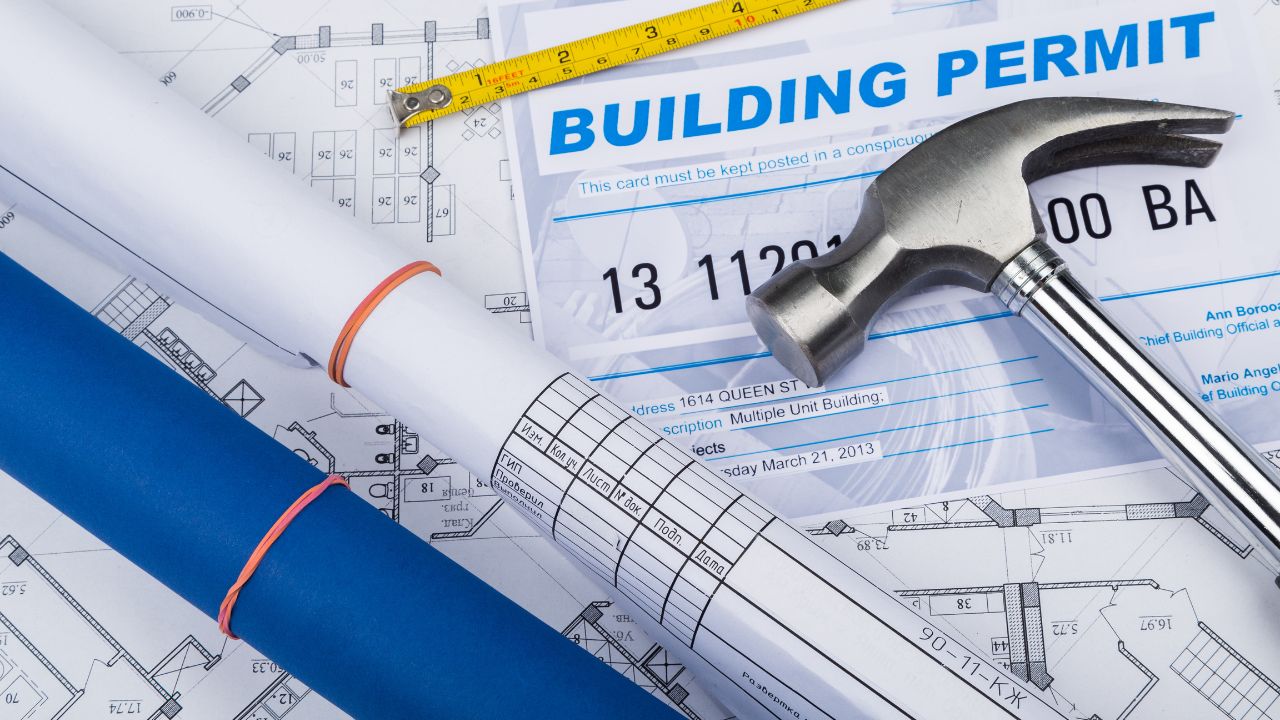
A thorough understanding of the permit process is essential to avoid costly delays. LADBS reviews ensure your custom home meets all safety codes and zoning requirements. This step in custom home building often takes 2-6 months, sometimes longer for complex projects.
Start by submitting complete, accurate applications. Incomplete submissions are the most common cause of delays. Your architect or permit expediter typically prepares the permit package, including architectural plans, structural calculations, Title 24 energy compliance documents, and site plans. Reference the permit types outlined earlier in this guide—building, electrical, plumbing, mechanical, demolition, and grading permits may all apply to your project.
Once submitted, LADBS conducts a plan check review. Corrections are common. Respond promptly to any requests for additional information or revisions from the LADBS. Quick turnaround on corrections keeps your timeline intact. Some projects require clearances from multiple agencies—fire department, planning department, or coastal commission—adding complexity.
Consider hiring a permit expeditor for the custom home construction process. These specialists know LADBS procedures, track application status, and push paperwork through bottlenecks. The fee often pays for itself in time saved. Building a custom home in Los Angeles demands patience here—but proper preparation minimizes frustration.
Step 6: How is Framing Completed for a Custom Home?
Once the foundation has cured, framing begins. This phase creates the skeleton of your house—floor systems, walls, and roof structure. Your custom home finally takes visible shape.
Framing typically uses wood or steel. Sustainable wood options like FSC-certified products ensure responsible sourcing. Redwood and cedar are naturally resistant to decay and insects, making them excellent choices for California construction. Your framing crew works from structural plans to ensure every beam, joist, and stud meets engineering specifications. This step in custom home building usually takes 1-2 months, depending on home size and complexity.
Step 7: What Happens During Rough-In of Mechanical Systems?
Rough-in work for plumbing, electrical, and HVAC involves running pipes, wires, and ducts through interior walls, floors, and ceilings. This happens while walls remain open and accessible. Windows and exterior doors are also installed at this stage, weatherproofing the structure.
Coordination matters here. Plumbers, electricians, and HVAC contractors work simultaneously in tight spaces. Your general contractor sequences their work to prevent conflicts. After rough-in systems are inspected and approved by LADBS, insulation can proceed. Never cover walls before passing inspection—failed inspections mean tearing out finished work.
Step 8: How is Insulation and Drywall Installed?
After rough-in inspection approval, insulation is installed in the walls and attic. Proper insulation is critical for energy efficiency and comfort in Los Angeles’ heat. ICF walls create a highly energy-efficient thermal envelope, reducing heating and cooling costs significantly. ICF’s high thermal mass keeps homes cool during hot days and warm during cooler nights.
Drywall follows insulation. Crews hang panels, tape seams, and apply joint compound. Multiple finishing coats create smooth surfaces ready for paint. This phase transforms your custom home from a construction site to a recognizable living space.
Step 9: What Interior Finishing Work is Required?
Interior finishes bring your design vision to life. Work follows a specific sequence: flooring first, then cabinets, countertops, and paint. This order protects finished surfaces from damage during subsequent work.
The final step installs light fixtures, plumbing fixtures (sinks, faucets, toilets), and appliances. Tile work, trim carpentry, and hardware complete the details. Building a custom home in Los Angeles means countless finish decisions—your interior designer helps coordinate selections for a cohesive result.
Step 10: How is Exterior Work and Landscaping Completed?
Exterior finishes protect your home from California’s sun, wind, and occasional rain. Common options include stucco, siding, or brick. Each offers different aesthetics, maintenance requirements, and price points.
Landscaping happens late in the custom home construction process to protect plants and hardscape from construction traffic. Driveways, walkways, patios, and planting complete your property. Fire-resistant landscaping is increasingly important in Los Angeles. Proper grading ensures drainage flows away from your foundation.
Step 11: What Happens During Final Inspections and Walkthroughs?
Final inspection is conducted by the local building department. Inspectors verify all work matches approved plans and meets code requirements. They check structural elements, electrical systems, plumbing, HVAC, fire safety, and accessibility compliance.
Upon successful inspection, a Certificate of Occupancy is issued. This document confirms your home is safe for habitation. Before closing out with your contractor, conduct a thorough walkthrough. Document any incomplete items or defects on a punch list. Once resolved, you can officially move in and enjoy your completed custom home.
What Regulations Must You Comply With in Los Angeles?
Building a custom home in Los Angeles means meeting some of the strictest building codes in the nation. Seismic safety, fire resistance, and energy efficiency all carry mandatory requirements. Understanding these regulations early shapes material choices and design decisions throughout your custom home construction process.
What Are Los Angeles Seismic Building Code Requirements?
Los Angeles sits in active earthquake territory. Building codes reflect this reality with stringent structural requirements. Your custom home must withstand significant seismic forces without collapse.
Foundation systems, framing connections, and shear walls all follow specific engineering standards. ICF provides excellent resistance to earthquakes due to its solid, steel-reinforced concrete core. This construction method exceeds minimum code requirements and offers superior protection. Your structural engineer calculates seismic loads and designs systems accordingly. Every connection point matters—from foundation bolts to roof ties. Inspectors verify compliance at multiple stages during the steps in custom home building.
What Fire Safety Standards Apply in LA?
Wildfire risk influences material requirements throughout Los Angeles, especially in hillside areas. Roofing materials must meet Class A fire ratings—the highest standard.
| Roofing Material | Fire Resistance | Lifespan | Cost |
| Clay Tiles | Excellent | Lifetime of the home | Higher |
| Concrete Tiles | Excellent | Lifetime of the home | Moderate |
Both materials withstand harsh sun and heavy rains common in Southern California. Clay tiles offer a classic aesthetic and resist insects. Concrete tiles can mimic clay, slate, or wood shake at a lower cost. Beyond roofing, ICF materials also provide excellent fire resistance for walls. Fire-rated vents, tempered windows, and ember-resistant construction details add further protection. Your location determines specific requirements—homes in Very High Fire Hazard Severity Zones face additional mandates.
Ready to Start Your Custom Home Construction Process?
Building a custom home in Los Angeles is a significant undertaking—but the right team makes all the difference. Joel & Co Construction guides homeowners through every step, from land acquisition to final walkthrough. Our experience with LADBS permitting, seismic requirements, and Los Angeles building codes keeps your project on track and on budget.
Contact Joel & Co Construction today for a consultation. Let’s turn your vision into reality.

As a second-generation general contractor with a passion for construction and design I bring a unique blend of experience, expertise, and innovation to every project. Having grown up in the world of construction, I’ve been immersed in the craft from an early age, learning the nuances of the industry from my father. My background in construction brings a deep respect for the craftsmanship that goes into every project, as well as an understanding of the practical challenges and intricacies involved in every phase of construction. With a wealth of hands-on knowledge passed down through the generations, every project is built to last while meeting the aesthetic and functional demands of today’s world.
Related Posts